


High Blood Pressure Treatment may slow Cognitive Decline
September 26, 2019
 New Orleans, LA – High blood pressure appears to accelerate cognitive decline among middle-aged and older adults and treating high blood pressure may slow down the process, according to a preliminary research presented at the American Heart Association’s Hypertension 2019 Scientific Sessions.
The findings are important because high blood pressure and cognitive decline are two of the most common conditions associated with aging, and more people are living longer worldwide.

An optical engineer at NASA’s Jet Propulsion Laboratory, in Pasadena, California, Camilo Mejia Prada, shines a light on the interior of a testbed for an instrument called a coronagraph that will fly aboard the WFIRST space telescope. (NASA/JPL-Caltech/Matthew Luem)
Arsenic in drinking water may change heart structure
June 4, 2019
 Dallas, TX – According to new research in Circulation: Cardiovascular Imaging, an American Heart Association journal drinking water that is contaminated with arsenic may lead to thickening of the heart’s main pumping chamber in young adults, a structural change that increases the risk for future heart problems.

Among young adults, drinking water contaminated with arsenic may lead to structural changes in the heart that raise their risk of heart disease. (American Heart Association)
Yo-yo dieting may increase women’s heart disease risk
April 10, 2019
American Heart Association Meeting Report
Houston, TX – Yo-yo dieting may make it harder for women to control a variety of heart disease risk factors, according to preliminary research presented at the American Heart Association’s Epidemiology and Prevention | Lifestyle and Cardiometabolic Health Scientific Sessions 2019, a premier global exchange of the latest advances in population-based cardiovascular science for researchers and clinicians.

Women who have lost at least 10 pounds, only to regain the weight within a year, are more likely to have a poor score on the American Heart Association’s – Life’s Simple 7, a measure of how well people control important heart disease risk factors. (American Heart Association)
AAA says Taking Multiple Medications Can Increase Crash Risk for Older Drivers
December 2, 2018
AAA
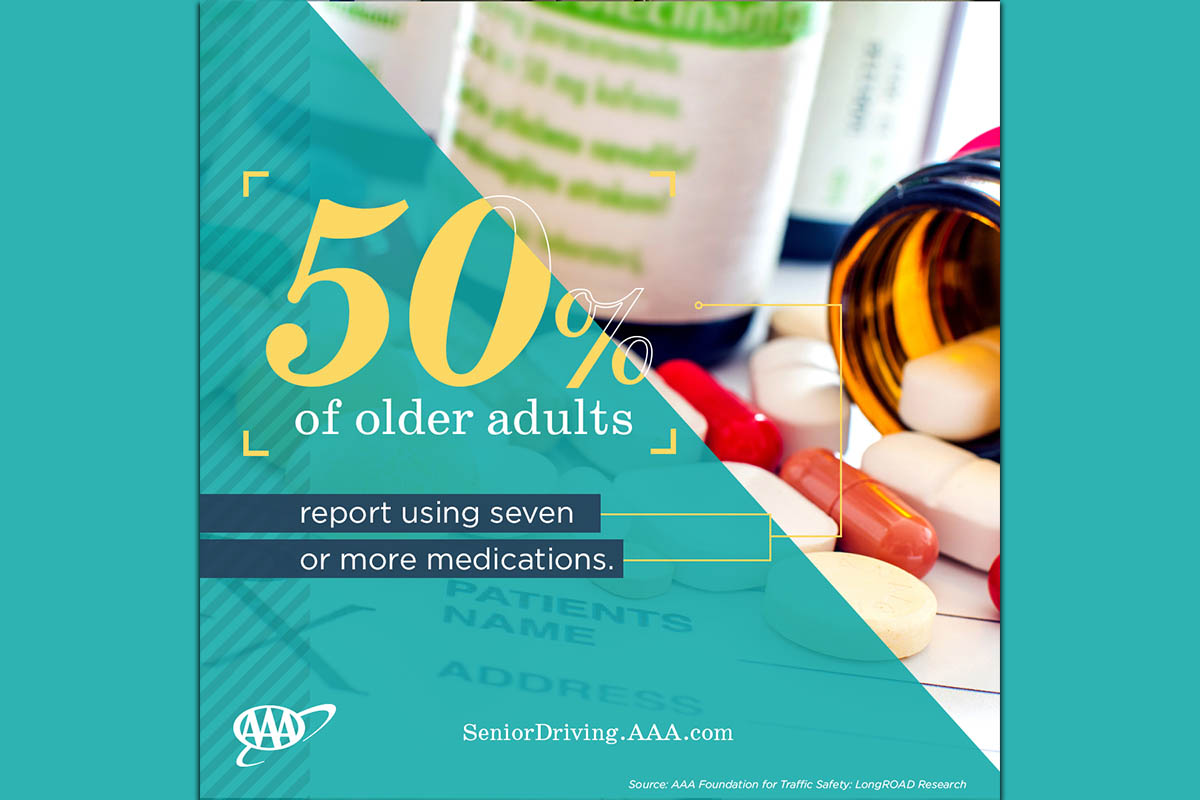
 Washington, D.C. – Nearly 50 percent of older adults report using seven or more medications while remaining active drivers, according to new research from the AAA Foundation for Traffic Safety.
An evaluation of the medications people are taking found that nearly 20 percent of older drivers are using medications that generally should be avoided because they have very limited therapeutic benefit, pose excess harm, or both. Drugs like these are called potentially inappropriate medications, or PIMs1.
Meal planning, timing, may impact heart health according to American Heart Association
January 31, 2017
American Heart Association Scientific Statement
Dallas, TX – Planning when to eat meals and snacks and not skipping breakfast, are patterns associated with healthier diets, which could reduce cardiovascular disease risk, according to a new scientific statement published in the American Heart Association journal Circulation.
The statement provides a snapshot of the current scientific evidence suggesting when and how often people eat may impact risk factors for heart attack, stroke, or other cardiac or blood vessel diseases.

Planning and timing meals and snacks, such as not skipping breakfast and allocating more calories earlier in the day, might help reduce cardiovascular disease risk. (American Heart Association)
American Heart Association reports Clinic Readings may underestimate Blood Pressure during Daily Activities
December 6, 2016
American Heart Association Rapid Access Journal Report
Dallas, TX – Around the clock monitoring during daily activity revealed masked, or undetected, high blood pressure among otherwise healthy adults who had normal readings in the clinic, according to new research in the American Heart Association’s journal Circulation.
The reverse of “white coat hypertension” (higher blood pressure readings at the doctor’s office than outside the clinic setting), “masked hypertension” is normal blood pressure in the doctor’s office but high readings outside of the office.
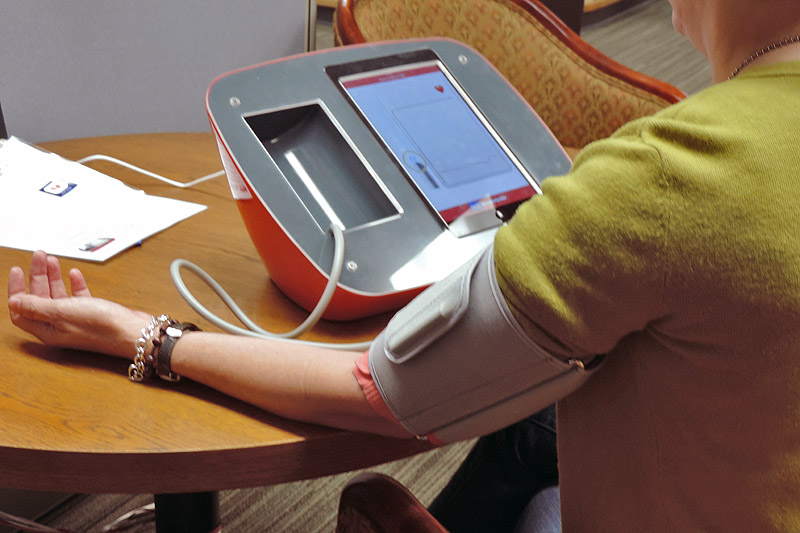
Healthcare providers should be aware that normal blood-pressure tests in the clinic may not rule out high blood pressure among otherwise healthy patients. (American Heart Association)
Sleep disorders may influence heart disease risk factors says American Heart Association
September 26, 2016
American Heart Association Scientific Statement
Dallas, TX – Sleep problems including sleeping too little or too long, may be linked to a variety of factors that may raise the risk for cardiovascular diseases, according to a new American Heart Association scientific statement published in the American Heart Association journal Circulation.
The first statement by the American Heart Association on sleep and heart health outlines what we currently know about sleep irregularities and cardiovascular-related risk factors, including obesity, Type 2 diabetes, heart disease and atherosclerosis, arrhythmias, high blood pressure, stroke, unhealthy levels of triglycerides and cholesterol.

Research linking sleep problems to obesity and diabetes is robust, but longer studies measuring impact on actual weight are needed. (American Heart Association)
Older, Healthy Adults with systolic BP below 140 have Lower Stroke Risk
February 6, 2016
Dallas, TX – Raising the systolic blood pressure threshold from 140 to 150 mmHg, as a new target for high blood pressure treatment in older people who don’t have chronic kidney disease or diabetes, could put this population at greater stroke risk, according to new research in the American Heart Association’s journal Hypertension.
The increased stroke risk is even more pronounced among Hispanics and blacks, the research showed.
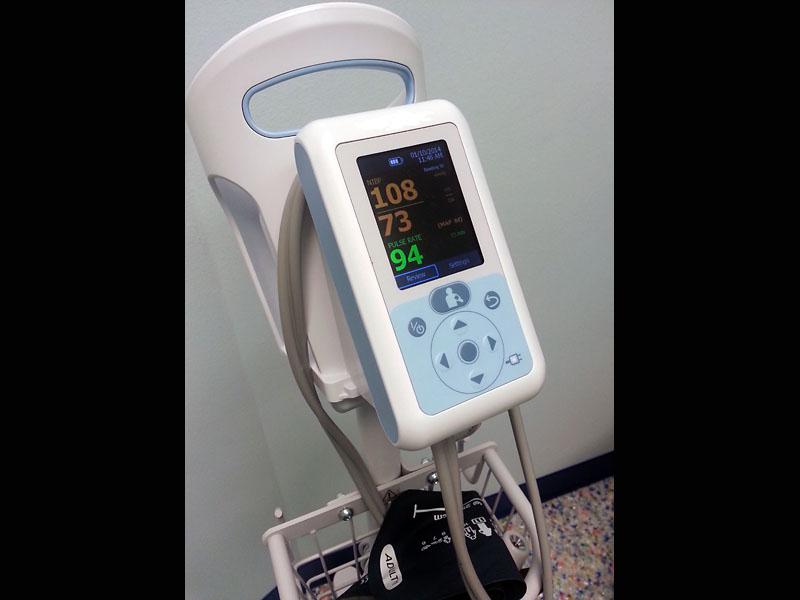
Blood pressure cuff. (American Heart Association)
American Heart Association reports College Football Linemen face greater risk of Heart Problems
November 19, 2015
American Heart Association Meeting Report
Orlando, FL – College freshmen who play football linemen positions may face a greater risk of specific heart problems than other players, according to research presented at the American Heart Association’s Scientific Session 2015.
Researchers analyzed the effect of playing American football on the heart in 87 college athletes from pre-season to post-season.
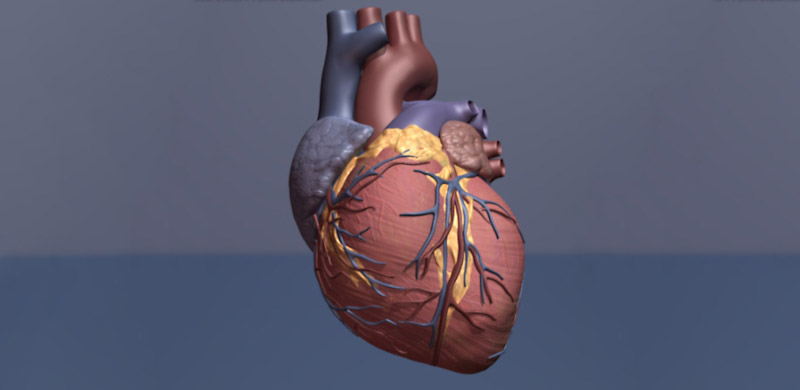
Heart Illustration. (American Heart Association)
AAA says Giving up the Keys may hasten the Risk of Health Problems in Older Adults
July 25, 2015
Knoxville, TN – Older adults who have stopped driving are almost two times more likely to suffer from depression and nearly five times as likely to enter a long-term care facility than those who remain behind the wheel, according to a new report released by the AAA Foundation for Traffic Safety and Columbia University.
The study examined older adults who have permanently given up driving and the impact it has on their health and mental well-being.

AAA Foundation study shows greater risk of depression and entry into long-term care facilities among former older drivers


