


TDCI, TDH Urges Consumers to keep New Year’s Resolutions
January 18, 2020
 Nashville, TN – Losing weight, stopping smoking and spending more time with friends and loved ones are all popular New Year’s resolutions. Those resolutions aren’t just good for your health; they can be good for your finances, too.
Studies have shown that living a healthy lifestyle can also save you money on insurance costs and physicians’ bills.

U.S. Food and Drug Administration Delays Plan to Lower Nicotine Levels in Traditional Cigarettes
November 22, 2019
 Washington, D.C. – The U.S. Food and Drug Administration (FDA) released a list of regulations it plans to work on in 2020, omitted from that list was a regulation to reduce nicotine levels in traditional cigarettes. That regulation was initially announced by former FDA Commissioner Scott Gottlieb in 2017.
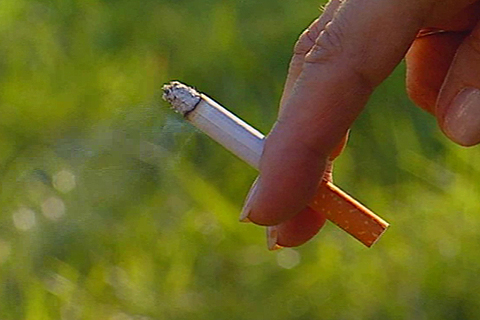
American Heart Association calls on U.S. Food and Drug Administration (FDA) to take action to reduce the scourge of tobacco use in this country.
American Heart Association says E-cigarettes take serious toll on Heart Health, Not Safer than Traditional Cigarettes
November 13, 2019
Dallas, TX – According to new research that will be presented at the American Heart Association’s Scientific Sessions 2019, November 16th-18th in Philadelphia, E-cigarette use takes a serious toll on heart health — a big concern given the high prevalence of e-cigarettes and perception of e-cigarettes as a healthier alternative to traditional cigarettes.
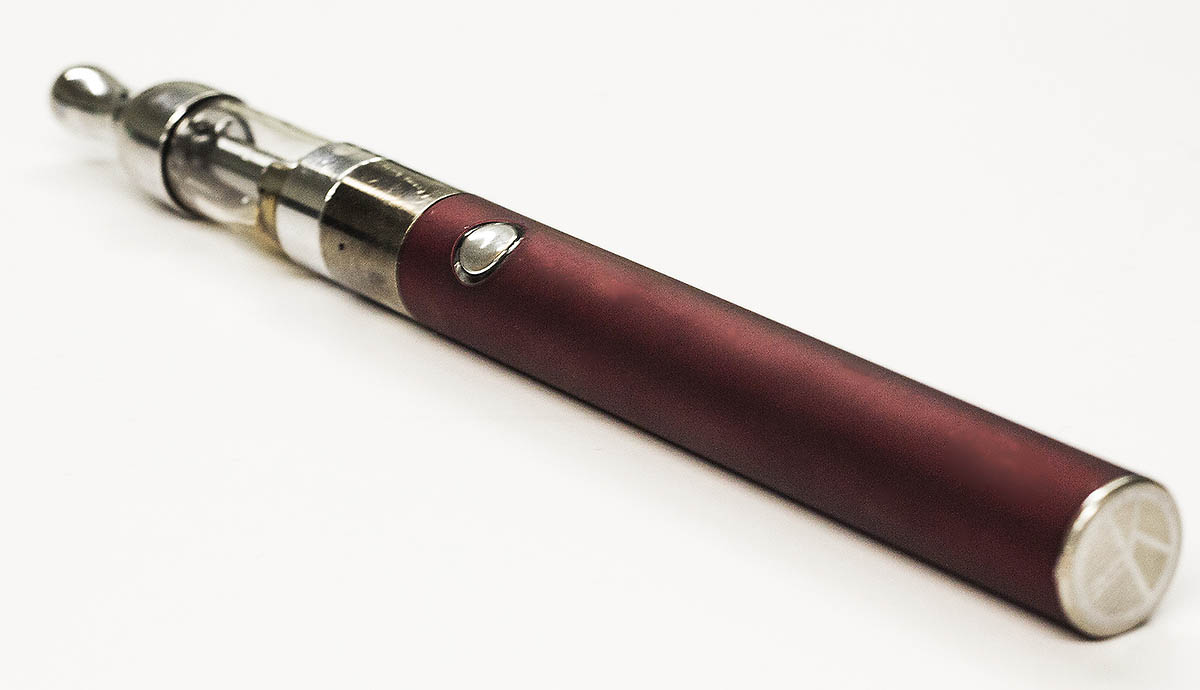
E-cigarettes negatively impact the heart’s blood flow — possibly more chronically so than traditional cigarettes. (American Heart Association)
Cigarette smoking associated with increased risk of peripheral artery disease in African Americans
January 24, 2019
Journal of the American Heart Association Report
 Dallas, TX – African Americans who smoke cigarettes are more likely than those who don’t smoke to develop peripheral artery disease, according to new research in Journal of the American Heart Association, the Open Access Journal of the American Heart Association/American Stroke Association.
Peripheral artery disease (PAD) is a narrowing of arteries other then those directly serving the heart.
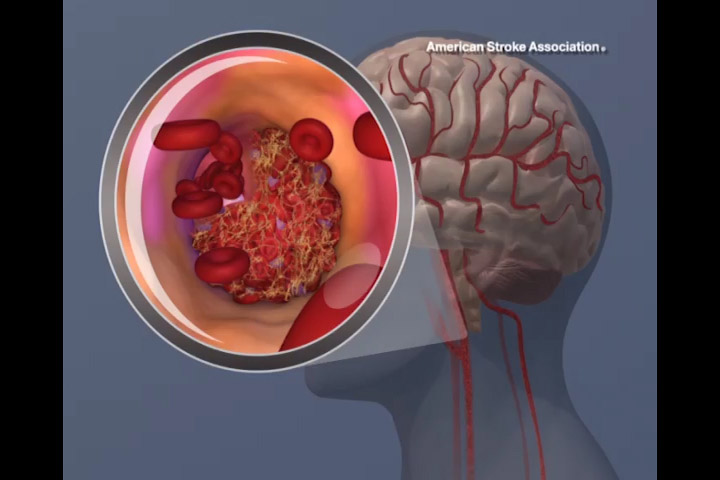
A blood clot forming in the carotid artery. (American Heart Association)
Heat-not-Burn Tobacco Products may be ‘not so hot’ at protecting Blood Vessel Function
December 2, 2017
Anaheim, CA – Heat-not-burn devices may eliminate users’ exposure to tobacco smoke, but the vapor they produce has the same negative impact on blood vessel function as smoking, according to a preliminary animal study presented at the American Heart Association’s Scientific Sessions 2017, a premier global exchange of the latest advances in cardiovascular science for researchers and clinicians.
Heat-not-burn products are not new, but have been recently updated and test marketed in several countries outside the United States with greater success.
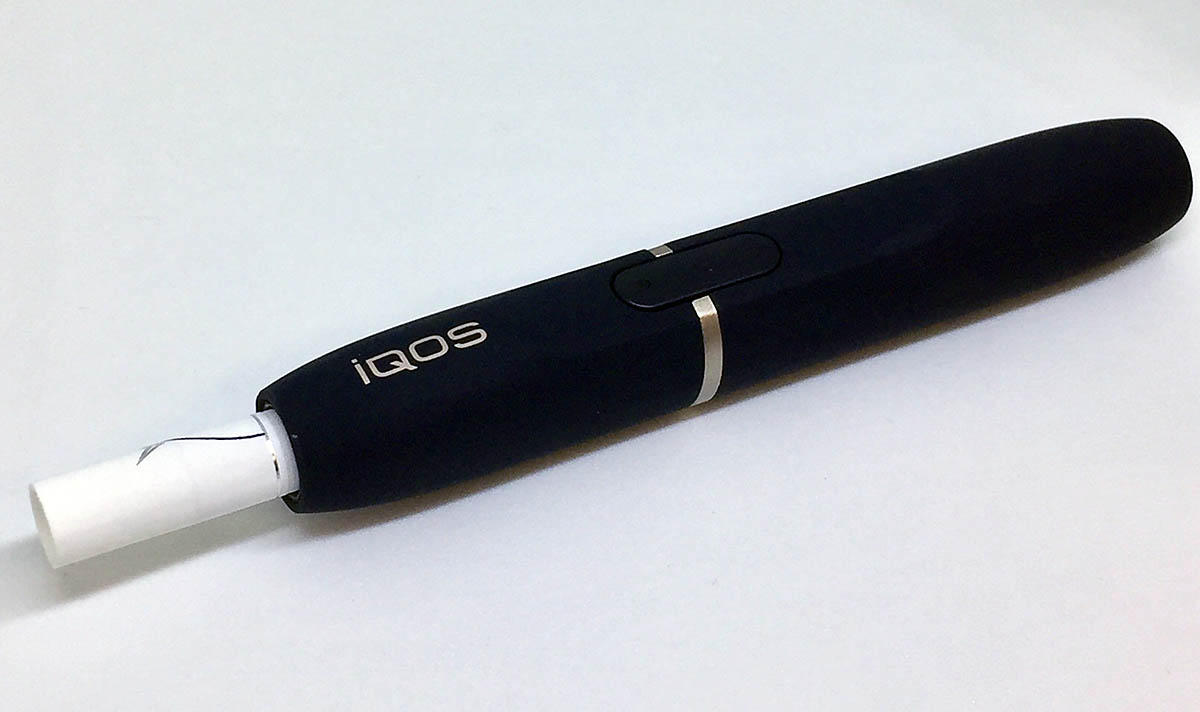
iQOS device used in “Impairment of Endothelial Function by Inhalation of Heat-Not-Burn Tobacco Aerosol” study. (Jesse Elias)
American Heart Association Urges Nation’s Pharmacies to Re-Think Selling Tobacco in Wake of New CDC Survey
September 4, 2016
 Washington, D.C. – American Heart Association CEO Nancy Brown issued the following comments on new data from the Centers for Disease Control and Prevention published in the American Journal of Preventive Medicine.
The data came from Porter Novelli’s Summer Styles, a national survey that found 66 percent of adults 18 and over were strongly or somewhat in favor of banning the sale of all tobacco products in retail pharmacy stores:

Pharmacies urged to stop selling tobacco products.
American Heart Association reports Female Smokers face greatest risk for Brain Bleeds
July 22, 2016
American Heart Association Rapid Access Journal Report
Dallas, TX – Bleeding inside the lining of the brain (subarachnoid hemorrhage) is significantly more common among smokers, especially female smokers, than among people who do not smoke, according to new research in the American Heart Association’s journal Stroke.
Subarachnoid hemorrhage results from bleeding into the lining between the brain’s surface and underlying brain tissue.

Even light smoking increases the risk, but the greatest risk is among heavy smokers.
Smoking may increase kidney disease risk in African-Americans
May 27, 2016
American Heart Association Rapid Access Journal Report
Dallas, TX – Cigarette smoking is considered a universal health hazard, but it may be particularly damaging to kidney function among African-Americans smokers, according to new research in Journal of the American Heart Association, the Open Access Journal of the American Heart Association/American Stroke Association.
“Cardiovascular and kidney diseases are closely linked, but few people are aware of the impact of smoking on kidney function,” said Michael Hall, M.D., study lead author and an assistant professor of medicine at the University of Mississippi Medical Center.
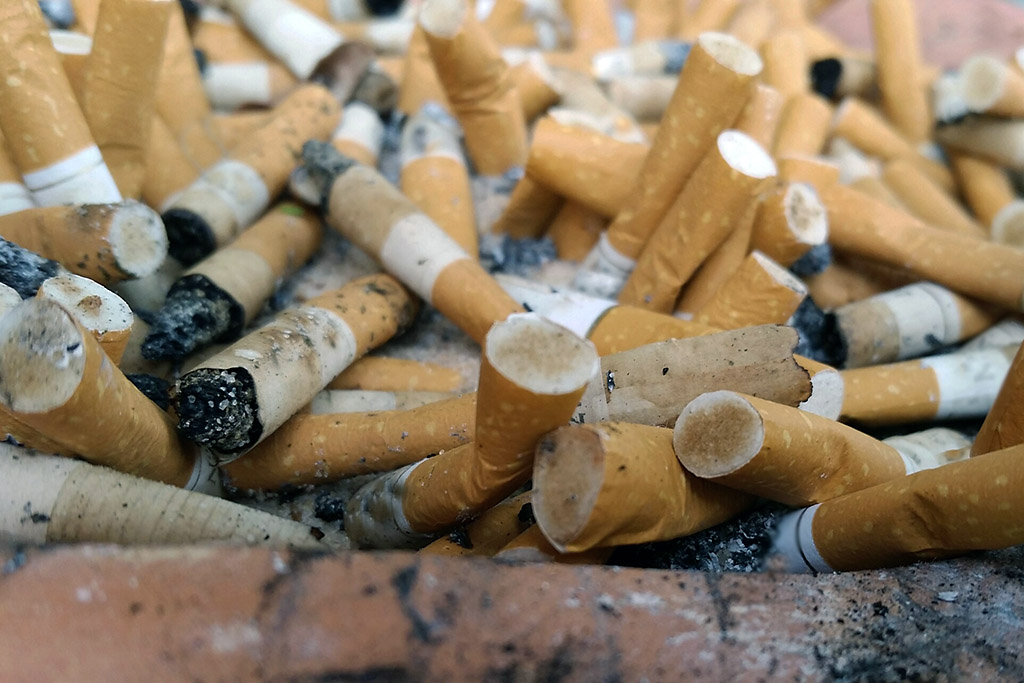
Cigarette smoking may be damaging to kidney function in African-Americans.
Tennessee State Fire Marshal says Smoking-related fires are preventable
April 5, 2013
 Nashville, TN – According to the Tennessee Fire Incident Reporting System (TFIRS), 14 percent of the state’s fire deaths last year resulted from fires caused by smoking, which made smoking the leading cause of the state’s fire fatalities in 2012.
“Putting out a cigarette or other smoking material the right way only takes seconds,” State Fire Marshal and Commerce & Insurance Commissioner Julie Mix McPeak says. “Those seconds can mean the difference between a fire-safe home and a home devastated by a tragic fire.”
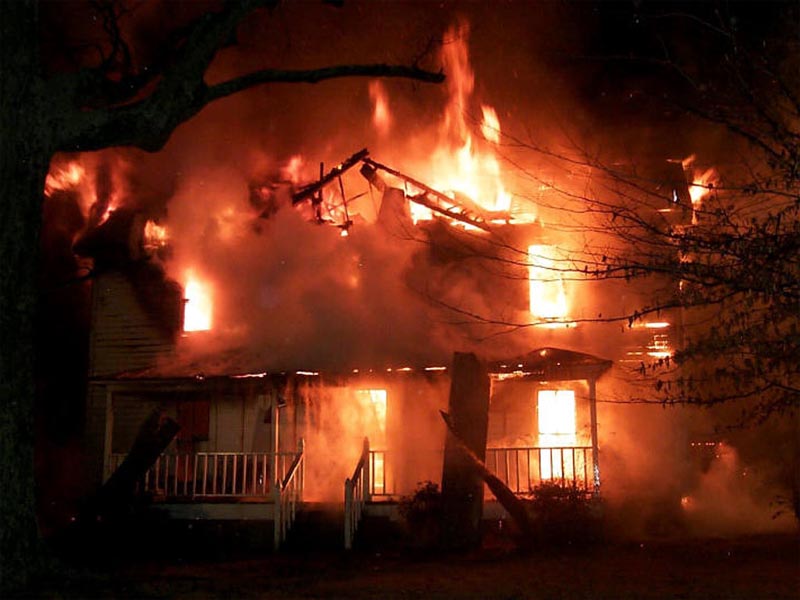
House Fire
Tennessee Forestry Division issues Fire Advisory due to Hot, Dry Conditions
June 28, 2012
State Officials Urge Citizens to Delay Burning Debris, Leave Fireworks to Professionals
 Nashville, TN – Tennessee State officials are urging citizens to take fire precautions for the upcoming Fourth of July holiday. The Tennessee Department of Agriculture Division of Forestry is asking the public to refrain from debris burning until significant precipitation is received and to avoid other activities that could cause fire.
“Most areas of the state are experiencing very hot and dry conditions with low humidity,” State Forester Steven Scott said. “While permits are not currently required for open, outdoor burning, as a precaution we’re urging citizens to avoid debris burning until conditions improve.” [Read more]


