


American Heart Association says Caregivers of Black Stroke Survivors spend more time; but report more positive outlook
March 2, 2017
American Heart Association Rapid Access Journal Report
 Dallas, TX – Despite providing more hours of care, caregivers of black stroke survivors reported a more positive perception of caregiving than caregivers of white stroke survivors, according to new research in Circulation: Cardiovascular Quality and Outcomes, an American Heart Association journal.
The study found black stroke survivors received an average of 11 more hours of care than white stroke survivors. There was little difference in the unmet needs of the black and white stroke survivors.
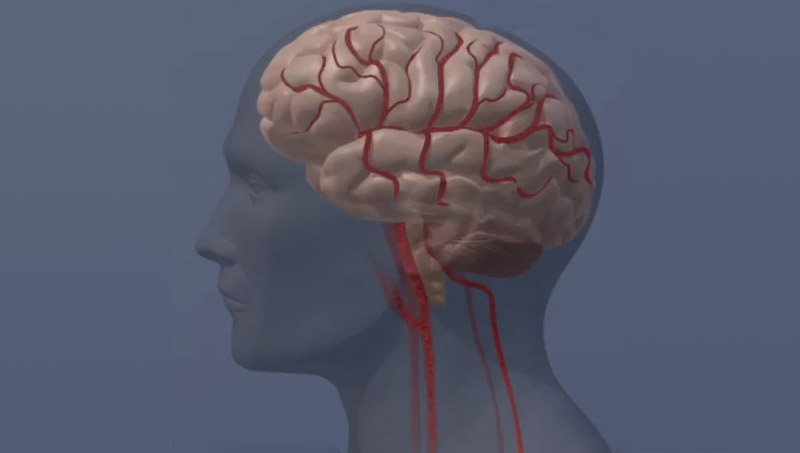
Black stroke survivors were more likely to have a caregiver and received more hours of help per week. (American Heart Association)
Alzheimer’s Poem: Do Not Ask Me to Remember
June 16, 2016
Alzheimer’s Disease and Dementia
 Clarksville, TN – Alzheimer’s disease is an irreversible, progressive brain disorder that slowly destroys memory and thinking skills, and eventually the ability to carry out the simplest tasks.
In most people with Alzheimer’s, symptoms first appear in their mid-60s. Estimates vary, but experts suggest that more than 5 million Americans may have Alzheimer’s.
The following poem is for all the caregivers out there.
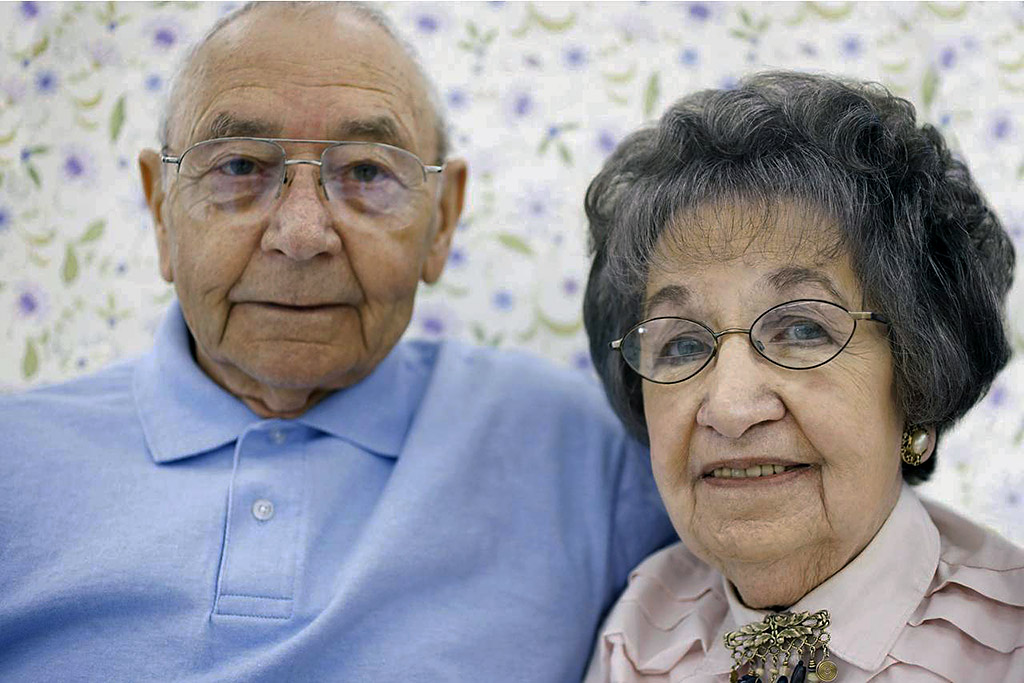
Alzheimer’s Poem: Do Not Ask Me to Remember
Frazier Allen: Caring for Your Loved One – The Three Stages of Decline
June 12, 2016
 Clarksville, TN – If you suspect a loved one is experiencing cognitive decline, it’s critical to discuss financial, legal and caregiving plans immediately.
Alzheimer’s is a progressive disease that includes three basic stages: mild, moderate, and severe.
Denial is one serious challenge families often face with Alzheimer’s. Due to the progressive nature of the disease, people with Alzheimer’s and other forms of dementia have a limited window in which they will be able to articulate their wishes for future care, living arrangements, finances, and legal matters.
For this reason, it’s important for families to discuss their concerns and work through this denial phase in the mild stage of cognitive decline.
Start the conversation – Talk with your loved one about financial, legal, and caregiving plans. The earlier planning begins, the more involved your loved one will be in the process.
Frazier Allen: 10 Symptoms of Caregiver Stress
June 10, 2016
Clarksville, TN – It’s important to be aware of caregiver burnout. You cannot provide effective care if you neglect your own physical and mental well-being.
Caring for a loved one with dementia can take a physical and emotional toll. As demands grow, caregivers often report feelings of sadness, stress, guilt, anger, isolation, and depression. The Alzheimer’s Association® has prepared a list of ten signs of caregiver stress. A strained caregiver is unlikely to provide quality care to a friend or loved one with dementia.

Caring for a loved one can take it’s toll on the Caregiver.


