


Aerobic Exercise Programs may improve Endurance, Walking after Stroke
September 17, 2019
 Dallas, TX – New research in Journal of the American Heart Association, the Open Access Journal of the American Heart Association/American Stroke Association, indicates stroke survivors who completed group-based aerobic exercise programs similar in design and duration to cardiac rehabilitation programs significantly improved their aerobic endurance and walking ability.
Stroke remains the leading cause of disability in the U.S. and physical therapy is often prescribed to improve physical impairments after stroke.

Mixed forms of aerobic activity and walking had the most benefit for stroke survivors. (American Heart Association)
American Heart Association says Tai Chi holds promise as Cardiac Rehab Exercise
October 12, 2017
Journal of the American Heart Association Report
 Dallas, TX – The slow and gentle movements of Tai Chi hold promise as an alternative exercise option for patients who decline traditional cardiac rehabilitation, according to preliminary research in Journal of the American Heart Association, the Open Access Journal of the American Heart Association/American Stroke Association.
After a heart attack, more than 60 percent of patients decline participation in cardiac rehabilitation.
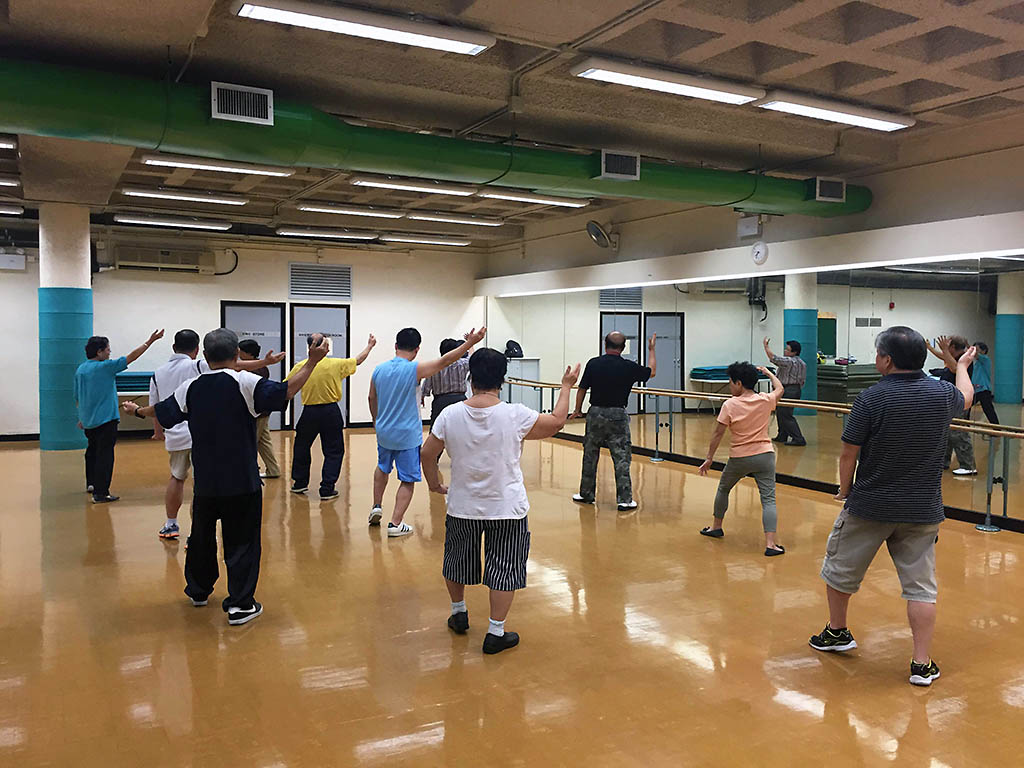
The slow and gentle movements of Tai Chi – which can increase in pace – hold promise as an alternative exercise option for patients who decline traditional cardiac rehabilitation. (American Heart Association)
New Demo Will Help Remove Barriers to Cardiac Rehab, Says American Heart Association
December 27, 2016
Washington, D.C. – American Heart Association President Steven Houser, Ph.D., FAHA issued the following comments on the Centers for Medicare and Medicaid Services’ (CMS) Medicare Program; Advancing Care Coordination Through Episode Payment Models (EPMs); Cardiac Rehabilitation Incentive Payment Model; and Changes to the Comprehensive Care for Joint Replacement Model (CJR) final rule:
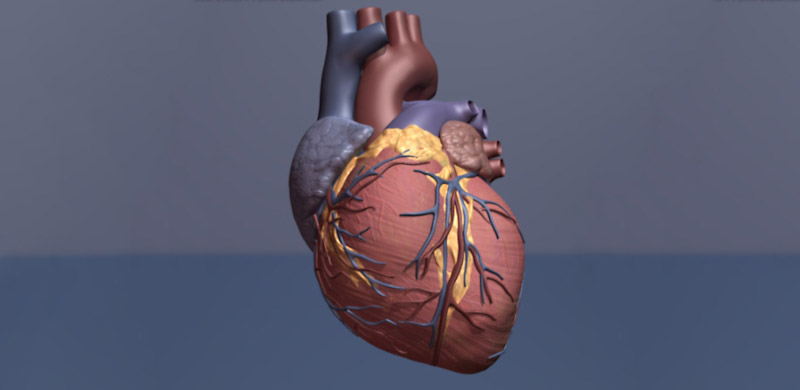
The treatment gap for CR and Intensive Cardiac Rehabilitation (ICR) is enormous. In 2013, only 20 percent of Medicare beneficiaries initiated cardiac rehabilitation. Rates were even lower for women and minorities. (American Heart Association)
Stress management may enhance cardiac rehab, improve recovery
March 23, 2016
American Heart Association Rapid Access Journal Report
Dallas, TX – Heart patients may benefit from cardiac rehabilitation (rehab) programs even more when stress management is added, according to new research in the American Heart Association’s journal Circulation.
“Cardiac rehabilitation programs do not routinely offer stress management, but this may change should demand increase. And because patients may be reluctant to ask for the programs themselves, the onus is on the physicians to recognize that stress management is important for the optimal medical management of patients,” said James A. Blumenthal, Ph.D., professor of Psychiatry and Behavioral Sciences at Duke University School of Medicine in Durham, North Carolina.

Adding stress management into cardiac rehabilitation programs should be encouraged, researchers say. (American Heart Association)


