


FDA Coronavirus (COVID-19) Update for April 3rd, 2020
April 4, 2020
 Silver Spring, MD – The U.S. Food and Drug Administration (FDA) continues to play a critical role in accelerating medical countermeasures to treat and prevent Coronavirus (COVID-19).
As part of the response to this pandemic, the agency is taking the lead on a national effort to facilitate the development of, and access to, two investigational therapies derived from human blood.
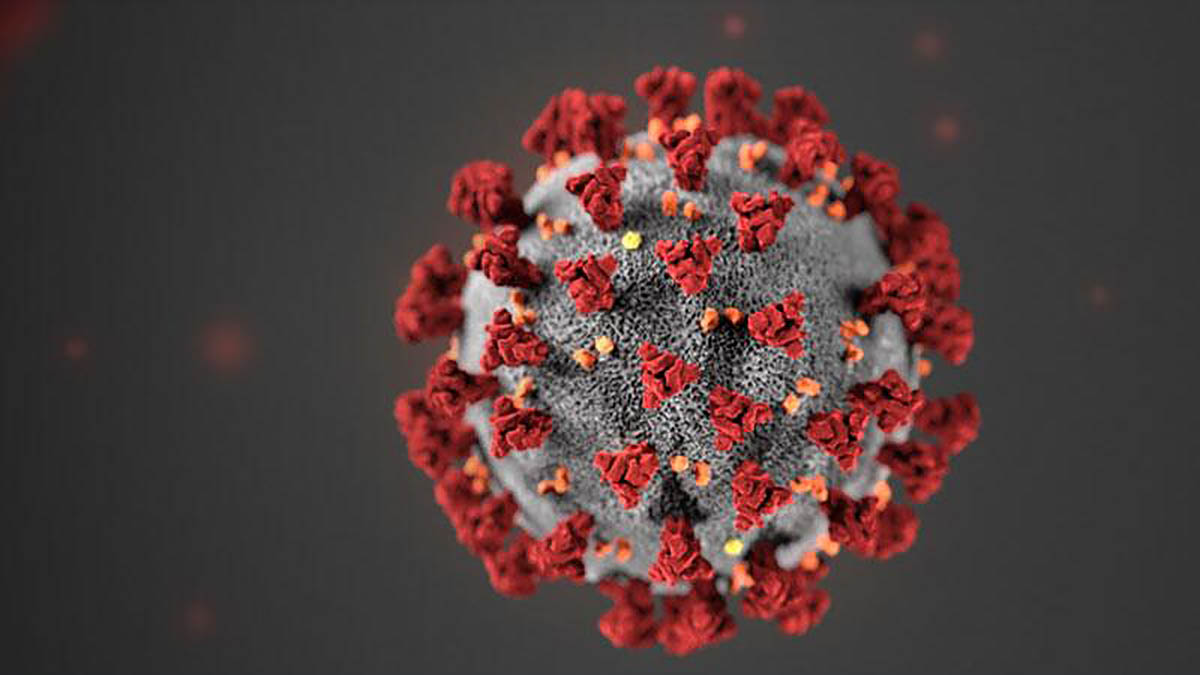
Coronavirus
American Red Cross asks for volunteers to host blood drives
October 14, 2018
American Red Cross
 Nashville, TN – Every two seconds someone in the U.S. needs blood. To help meet the constant demand for lifesaving blood donations and prevent blood shortages this winter, the American Red Cross is urging individuals and organizations to be winter heroes by hosting a blood drive.
Right now, the Red Cross needs about 6,500 additional groups across the country to host blood drives in December, January and February to ensure blood will be there for patients who rely on blood products.
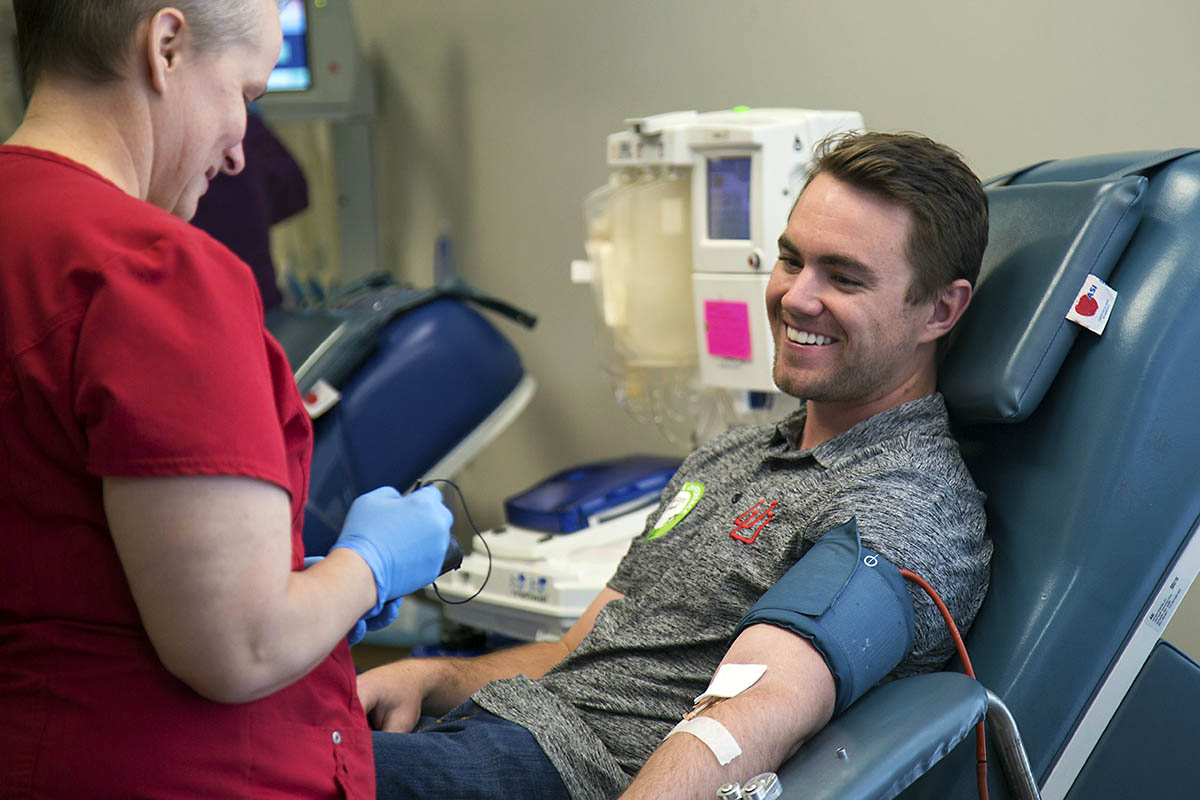
Looming shortfall of blood drives could impair patient care. American Red Cross calls for winter heroes to host blood drives and save lives. (Amanda Romney/American Red Cross)
Short episodes of Abnormal Heart Rhythm may not increase Risk of Stroke
October 18, 2016
American Heart Association Rapid Access Journal Report
 Dallas, TX – People with pacemakers or defibrillators who experience only short episodes of an abnormal heart rhythm known as atrial fibrillation have a very low risk of stroke, suggesting that anticoagulants in this group of patients were not likely to reduce the risk for stroke, according to new research in the American Heart Association’s journal Circulation.
Atrial fibrillation is the most common abnormal heart rhythm, affecting approximately 2.7 million Americans.
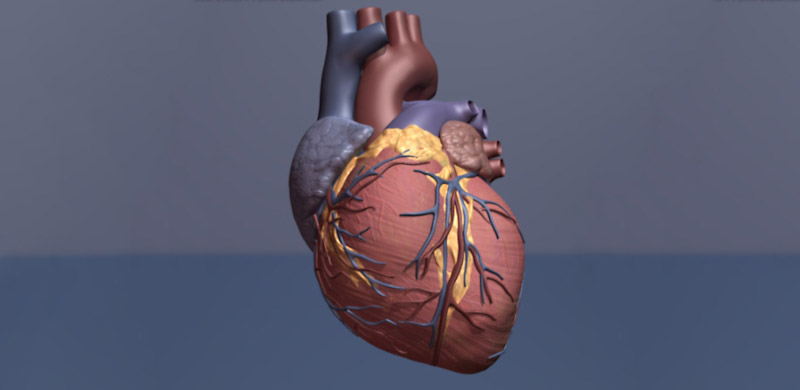
People with pacemakers or defibrillators who experience short episodes an abnormal heart rhythm called atrial fibrillation have no higher risk for stroke or other medical complications than people without documented atrial fibrillation. (American Heart Association)
Recent Asthma may be linked with Abdominal Aneurysm Rupture
February 13, 2016
American Heart Association Rapid Access Journal Report
Dallas, TX – Patients aged 50 and older with recent asthma activity were significantly more likely than non-asthmatics to experience abdominal aortic aneurysm rupture and sudden death, according to new research published in Arteriosclerosis, Thrombosis and Vascular Biology, an American Heart Association journal.
The main artery in the body, called the aorta, carries blood to the whole body. When this vessel becomes weakened it can form a balloon-like bulge that may rupture and if left untreated can cause sudden death.

Asthma inhaler. (American Heart Association)
Tennessee Department of Health Provides Information About the Value of Sleep
July 31, 2014
Now I Lay Me Down To …
 Nashville, TN – Sleep is not a luxury; it is a basic health need long known to affect a person’s ability to think and function.
Increasingly scientists and researchers are learning more about other values of sleep that may impact health and help improve and extend lives. [Read more]
American Heart Association says DNA particles in the Blood may help speed detection of Coronary Artery Disease
July 4, 2013
High blood levels of these DNA particles may eventually help identify patients at risk for further serious heart problems.
Dallas, TX – DNA fragments in your blood may someday help doctors quickly learn if chest pain means you have narrowed heart arteries, according to a new study published in the American Heart Association journal Arteriosclerosis, Thrombosis, and Vascular Biology.
The study involved 282 patients, ages 34 to 83, who reported chest pain and were suspected of having coronary artery disease. Researchers used computed tomography imaging to look for hardened, or calcified, buildup in the blood vessels that supply the heart. Blood samples also were tested for bits of genetic material. Release of small DNA particles in the blood occurs during chronic inflammatory conditions such as coronary artery disease. [Read more]
Tennessee Department of Health says Free Five-Minute Online Assessment for Hepatitis could Save Your Life
June 3, 2013
Baby Boomers at Greatest Risk for Silent Killer Hepatitis C
 Nashville, TN – Do you have hepatitis C, a potentially deadly viral disease? Do you know if you are more likely to have it than someone else?
The Centers for Disease Control and Prevention now has a free, five-minute online assessment that can tell you if you are at risk.
There are different types of viral hepatitis. Hepatitis A and B can be prevented with vaccines and Hepatitis C can often be cured if diagnosed and treated early. It’s important for individuals, particularly baby boomers, to know if they have any form of hepatitis. [Read more]
American Heart Association says Non-alcoholic red wine may help reduce High Blood Pressure
September 10, 2012
Red wine’s polyphenols uninhibited by alcohol seem to be the blood pressure reducing element.
Dallas, TX – Men with high risk for heart disease had lower blood pressure after drinking non-alcoholic red wine every day for four weeks, according to a new study in the American Heart Association journal Circulation Research.
Non-alcoholic red wine increased participants’ levels of nitric oxide, which helped decrease both systolic and diastolic blood pressure, researchers said. Nitric oxide is a molecule in the body that helps blood vessels relax and allows more blood to reach your heart and organs.

Non-alcoholic red wine was more effective at lowering blood pressure than traditional red wine or gin. (Copyright American Heart Association)
Tennessee Department of Health says simple Test for Infants can detect Heart Defects
June 20, 2012
Nashville, TN – A simple bedside test soon to be required for all babies born in Tennessee can detect a significantly higher number of critical congenital heart defects. Pulse oximetry testing will become part of the standard Recommended Uniform Screening Panel now in place across Tennessee effective January 1st, 2013.
Currently, Tennessee screens 29 conditions that are part of the National Recommended Uniform Screening Panel. Pulse oximetry, which determines the amount of oxygen in a baby’s blood and also measures heart rate, can help identify up to 20 percent more babies with defects than previous exam methods. [Read more]
Red Cross Blood Supply Drops to Critically Low Levels
July 12, 2011
All Blood Types Needed
 Washington, D.C. – The American Red Cross issued an appeal for blood donors to roll up a sleeve and address a critical shortage across the nation.
Many donors are busy or traveling, school is out of session and donations have dropped dramatically. In May and June, while demand for blood products remained steady, donations were at the lowest level the Red Cross has seen during this timeframe in over a dozen years. Because of that, the Red Cross needs blood donors now more than ever. All types are needed, but especially O negative, which can be used to treat any patient. [Read more]


