


American Heart Association reports Experimental Vaccine may reduce Post-Stroke Blood Clot Risk
November 8, 2018
American Heart Association
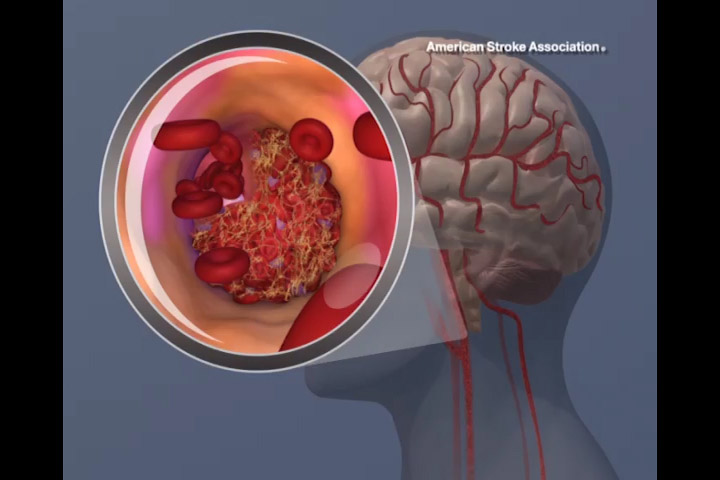
 Dallas, TX – A vaccine may one day be able to replace oral blood thinners to reduce the risk of secondary strokes caused by blood clots, without increasing the risk of serious bleeding or triggering an autoimmune response, according to new research in the American Heart Association’s journal Hypertension.
People who have had a stroke caused by a blood clot (ischemic strokes) often need to take medications that make their blood less likely to clot, which helps prevent another stroke.

An experimental vaccine might one day protect ischemic stroke survivors from developing blood clots and subsequent strokes. (American Heart Association)
Stent coated with an Erectile Dysfunction Drug may help prevent Blood Clots and Artery Narrowing
July 12, 2017
American Heart Association Meeting Report
Portland OR – A stent coated with an erectile dysfunction drug may someday help prevent arteries from becoming narrow or blocked again, according to preliminary research presented at the American Heart Association’s Basic Cardiovascular Sciences 2017 Scientific Sessions.
Stents help keep coronary arteries open and reduce the chance of a heart attack. With traditionally used bare metal stents, excessive tissue growth within the treated portion of the artery can cause restenosis — the artery to become narrow or blocked again.
If confirmed in human trials, the drug might someday be included in the coating of stents or given orally just after a stent is inserted to open a narrowed artery. (American Heart Association)
American Heart Association says Extreme Heat Exposure linked to Firefighter Heart Attacks
April 11, 2017
American Heart Association Rapid Access Journal Report
Dallas, TX – Exposure to extreme heat and physical exertion during firefighting may trigger the formation of blood clots and impair blood vessel function, changes associated with increased risk of heart attack, according to new research in the American Heart Association’s journal Circulation.
Cardiovascular events are the leading cause of death among firefighters and are responsible for roughly 45 percent of on-duty firefighter fatalities annually in the United States.
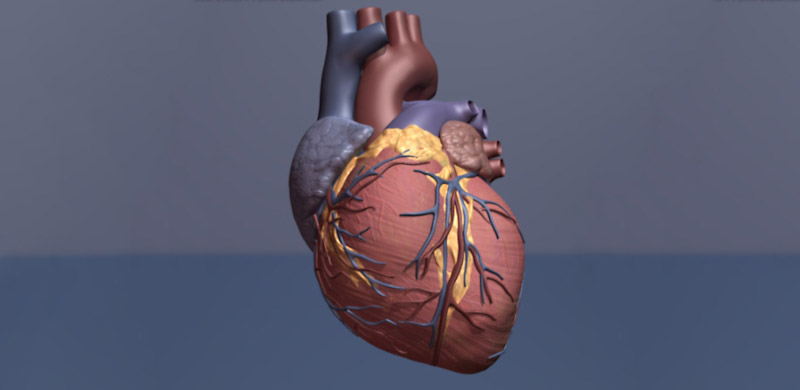
Exposure to extreme heat and physical exertion during firefighting may trigger the formation of blood clots and impair blood vessel function, changes associated with increased risk of heart attack. (American Heart Association)
American Heart Association says Pregnancy and heart disease research highlighted in special Women’s-Focus Journal Issue
February 4, 2017
American Heart Association Rapid Access Journal Report
Dallas, TX – Experiencing multiple pregnancies increases a woman’s risk of developing atrial fibrillation later in life, according to new research in the American Heart Association’s journal Circulation, which includes the inaugural Go Red for Women issue.
Atrial fibrillation is an irregular heartbeat that can lead to blood clots, stroke, heart failure and other heart-related complications.
American Heart Association says New Peripheral Artery Disease Guidelines emphasize Medical Therapy and Structured Exercise
November 15, 2016
American Heart Association/American College of Cardiology Clinical Practice Guideline
Dallas, TX – New guidelines for the treatment of peripheral artery disease (PAD), include recommendations on the use of antiplatelet therapy to reduce the risk of blood clots and statin drugs to lower cholesterol and advise PAD patients to participate in a structured exercise program.
The joint American Heart Association/American College of Cardiology guidelines are published in the American Heart Association journal Circulation and the Journal of the American College of Cardiology.
Eliminating exposure to all tobacco – including second-hand smoke – is highly recommended for patients with PAD. (American Heart Association)
Rapid symptom improvement may not indicate better stroke recovery
February 22, 2016
American Stroke Association Meeting Report
 Los Angeles, CA – Stroke patients whose symptoms quickly improved before hospital arrival did not always have better recoveries than other patients, according to research presented at the American Stroke Association’s International Stroke Conference 2016.
“Patients with very early rapid neurological improvement when first examined at the hospital still need to be considered for therapy to dissolve blood clots, given the high rate of unfavorable outcome,” said Clotilde Balucani, M.D., Ph.D., lead author and research assistant professor in neurology at The State University of New York Downstate Medical Center in Brooklyn.

Doctors may consider administering clot-busting therapy to those patients whose stroke symptoms rapidly improved before hospital arrival. (American Heart Association)
American Heart Association says new reversible drug shows early promise in preventing dangerous Clots
December 22, 2015
American Heart Association Rapid Access Journal Report
Dallas, TX – A new drug that protects against dangerous blood clots in patients undergoing procedures such as angioplasty to restore blood flow through the coronary arteries, appears safe, fast, and the effects are uniquely reversible, according to early testing described in the American Heart Association journal: Arteriosclerosis, Thrombosis and Vascular Biology.
Antiplatelet drugs currently available to patients carry an increased risk of bleeding.

A uniquely acting antiplatelet agent, PZ-128, appears to be safe and fast for preventing blood clots and its effects are reversible, reducing risk for excessive bleeding. (American Heart Association)
American Heart Association says Clot-removal devices now recommended for some stroke patients
July 2, 2015
Dallas, TX – For the first time, the American Heart Association/American Stroke Association recommends using a stent retrieval device to remove blood clots in select stroke patients who have clots obstructing the large arteries supplying blood to the brain, according to a new focused update published in the American Heart Association journal Stroke.
The optimal initial treatment for a clot-caused (ischemic) stroke remains intravenous delivery of the clot-busting medication tissue plasminogen activator (tPA).
American Heart Association reports Women active a few times weekly have lower risk of Heart Disease, Stroke and Blood Clots
February 18, 2015
Dallas, TX – Middle-aged women who are physically active a few times per week have lower risks of heart disease, stroke and blood clots than inactive women, according to research in the American Heart Association journal Circulation. Surprisingly, more frequent physical activity didn’t result in further reductions in risk, researchers said.
Physical activities associated with reduced risk included walking, gardening, and cycling.

Regular daily walking reduced the risk of stroke, regardless of the pace or distance. (American Heart Association)
American Heart Association says taking prescribed Anti-Clotting Drug may help save Sstent Patients’ Lives, but many are not filling Prescription
June 2, 2014
 Dallas, TX – If you’ve just received a coronary artery stent to prop open a blood vessel, your life may depend on filling your prescription and taking an anti-clotting drug within days of leaving the hospital, according to a large study in the Journal of the American Heart Association.
The risk of heart attack and death is highest within the first 30 days for those who delay taking their medication than during long-term follow-up out to two years.

Thirty percent of patients who had just received a stent failed to fill their prescription for an anti-clotting drug within three days of hospital discharge. (American Heart Association)


