


FDA Requiring Labeling Changes for Opioid Pain Medicines, Opioid Use Disorder Medicines Regarding Naloxone
July 26, 2020
 Silver Spring, MD – The U.S. Food and Drug Administration has announced it is requiring that labeling for opioid pain medicine and medicine to treat opioid use disorder (OUD) be updated to recommend that as a routine part of prescribing these medicines, health care professionals should discuss the availability of naloxone with patients and caregivers, both when beginning and renewing treatment.

Goal is to Help Reduce Opioid Overdoses and Deaths
AAA says Taking Multiple Medications Can Increase Crash Risk for Older Drivers
December 2, 2018
AAA
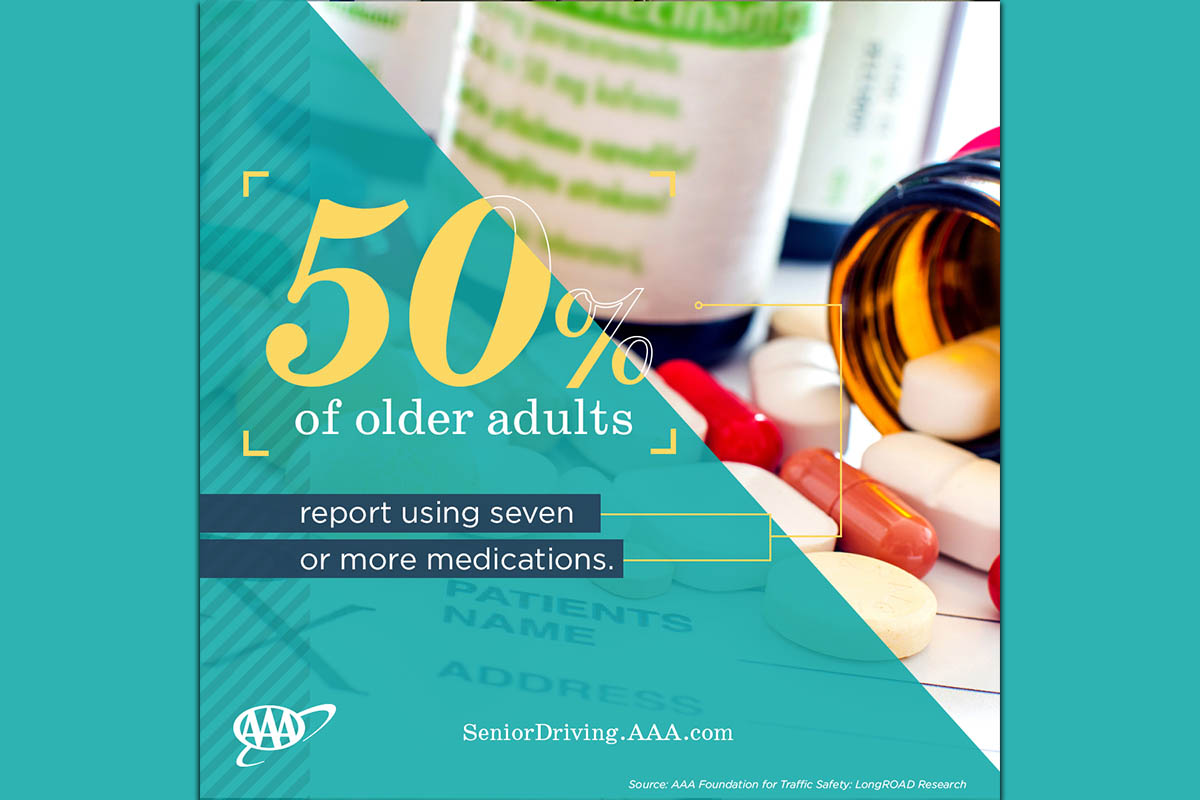
 Washington, D.C. – Nearly 50 percent of older adults report using seven or more medications while remaining active drivers, according to new research from the AAA Foundation for Traffic Safety.
An evaluation of the medications people are taking found that nearly 20 percent of older drivers are using medications that generally should be avoided because they have very limited therapeutic benefit, pose excess harm, or both. Drugs like these are called potentially inappropriate medications, or PIMs1.
Tennessee increases availability of Naloxone to fight Opioid Overdose
September 13, 2016
 Nashville, TN – Tennessee has a powerful new tool to fight opioid overdose with the passage of Public Chapter 596. This new law allows authorized pharmacists to dispense naloxone to a person at risk of opioid overdose or to a family member, friend or other person to assist someone at risk of an opiate-related overdose.
Public Chapter 596 sets up a statewide pharmacy practice agreement for what is called “opioid antagonist therapy.”
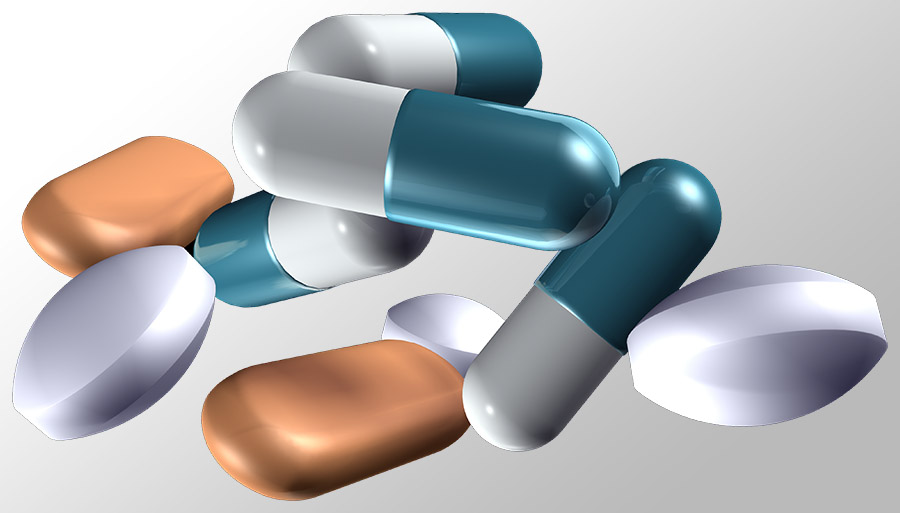
Public Chapter 596 alows authorized pharmacists to dispense naloxone for opioid overdose
Zika Virus Disease raises awareness about Preventing Birth Defects
March 13, 2016
Microcephaly One of Many Defects that Deserve Attention
 Nashville, TN – Until a recent outbreak of Zika virus disease was associated with babies born with microcephaly, many had not heard of the birth defect. Tennessee Department of Health data show approximately 45 to 50 cases occur in Tennessee each year.
Babies with microcephaly are born with heads that are smaller than expected. This can be associated with developmental delays, intellectual disabilities, problems with hearing or vision and seizures.

A newborn baby gets caressed by its new mother
Tennessee Department of Health says Naloxone offers Hope to Save Lives
September 1, 2015
Drug Overdoses Claim More Tennesseans in 2014
 Nashville, TN – Even with the availability of naloxone, the opioid overdose antidote, and fewer prescription drugs being diverted, the number of Tennesseans who die each year due to drug overdoses increased again in 2014.
The total of overdose deaths rose by nearly 100, from 1,166 in 2013 to a record-setting 1,263 in 2014. If those numbers are hard to comprehend, consider this: more people died from drug overdoses in Tennessee last year than were killed in motor vehicle accidents.
[vimeo]https://vimeo.com/37778160[/vimeo]
Tennessee launches additional efforts in 2013 to reduce the number of Drug-Dependent Newborns
April 4, 2014
Nashville, TN – In 2013, 921 newborns in Tennessee experienced withdrawal from drugs their mothers used while pregnant.
Many people across Tennessee, including a group of state leaders, are working to reduce that number and in the past year launched several efforts to help prevent the suffering and expenses associated with the condition known as neonatal abstinence syndrome, or NAS.
[youtube]http://www.youtube.com/watch?v=Ad07PjZOlU8[/youtube] [Read more]


