


American College of Cardiology / American Heart Association Guidance for Preventing Heart Disease, Stroke
April 23, 2019
American Heart Association
 New Orleans, LA – The choices we make every day can have a lasting effect on our heart and vascular health. Adopting a heart healthy eating plan, getting more exercise, avoiding tobacco and managing known risk factors are among the key recommendations in the 2019 Primary Prevention of Cardiovascular Disease guideline from the American College of Cardiology (ACC) and the American Heart Association (AHA). Also, it is recommended that aspirin should only rarely be used to help prevent heart attacks and stroke in people without known cardiovascular disease.

4 chambers of the heart: right atrium, right ventricle, left atrium, left ventricle. (American Heart Association)
Quitting Daily Aspirin Therapy may increase second Heart Attack, Stroke Risk
October 5, 2017
Circulation Journal Report
Dallas, TX – Stopping long-term, low-dose aspirin therapy may increase your risk of suffering a cardiovascular event, according to new research in the American Heart Association’s journal Circulation.
Aspirin, taken in low doses, is used to help reduce the risk for recurrent heart attack or stroke. Aspirin inhibits clotting, lowering the risk of cardiovascular events. Nearly 10 to 20 percent of heart attack survivors stop daily aspirin use within the first three years following their event.
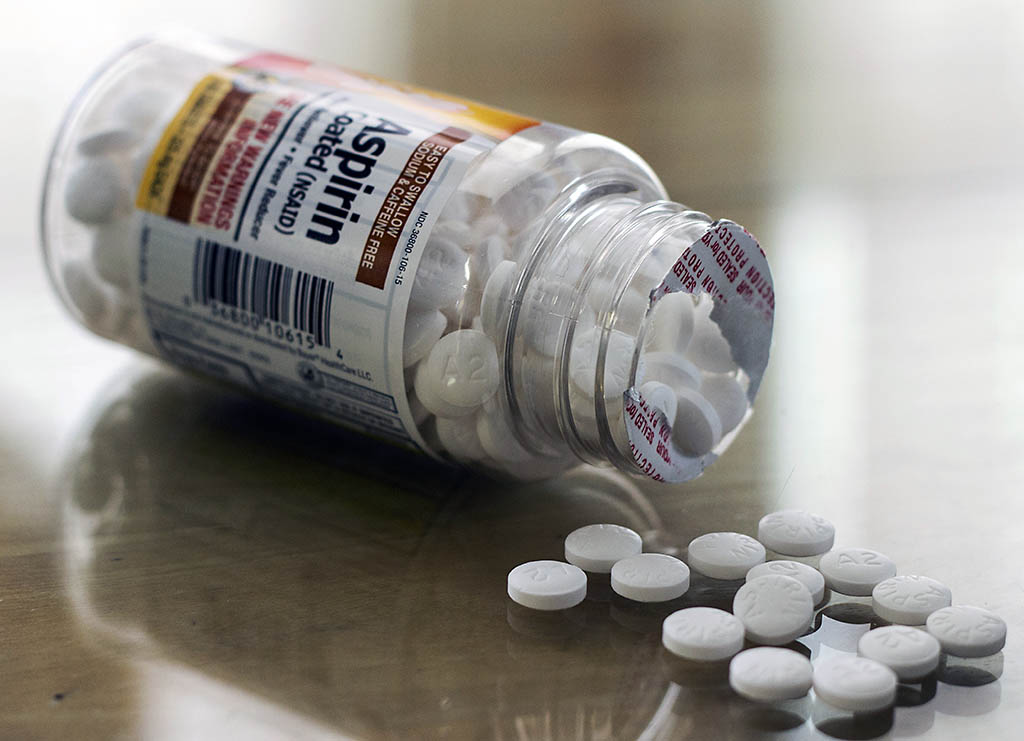
Risk increases shortly after stopping aspirin therapy and does not appear to diminish over time. (American Heart Association)
American Heart Association says Good Communication helps improve outcomes for Heart Patients
April 6, 2017
American Heart Association Meeting Report
Arlington, VA – Patients with hardened arteries who reported good communication with their healthcare providers were less likely to use the emergency room and more likely to comply with their treatment plans, according to a new study presented at the American Heart Association’s Quality of Care and Outcomes Research Scientific Sessions 2017.

Patients who said they communicated effectively with their healthcare providers were more likely to report the use of prescribed statin drugs and aspirin. (American Heart Association)
Statin use differs among Hispanic Adults at risk for Heart Disease
April 4, 2016
American Heart Association Rapid Access Journal Report
Dallas, TX – In the United States, adults of different Hispanic/Latino backgrounds, at high risk for heart disease, varied significantly in their use of widely-prescribed cholesterol-lowering medications known as statins, according to new research in the Journal of the American Heart Association. The difference was based on whether or not they had health insurance.
“These findings have important implications for preventing disparities in cardiovascular outcomes within the growing U.S. Hispanic/Latino population,” said study lead author Dima M. Qato, Pharm.D., M.P.H., Ph.D., assistant professor of pharmacy systems, outcomes and policy at the University of Illinois in Chicago.

Prepping the patient to draw blood for a cholesterol test. (American Heart Association)
American Heart Association reports Heart Disease without coronary plaque buildup linked to Heart Attack Risk
June 11, 2014
Baltimore, MD – Non-obstructive coronary artery disease was associated with a 28 to 44 percent increased risk of a major adverse cardiac event such as a heart attack or death, in a new study presented at the American Heart Association’s Quality of Care and Outcomes Research 2014 Scientific Sessions.
Non-obstructive CAD damages the walls of the heart’s blood vessels, but doesn’t result in decreased blood flow or symptoms so it’s generally been considered to be a low-risk condition.
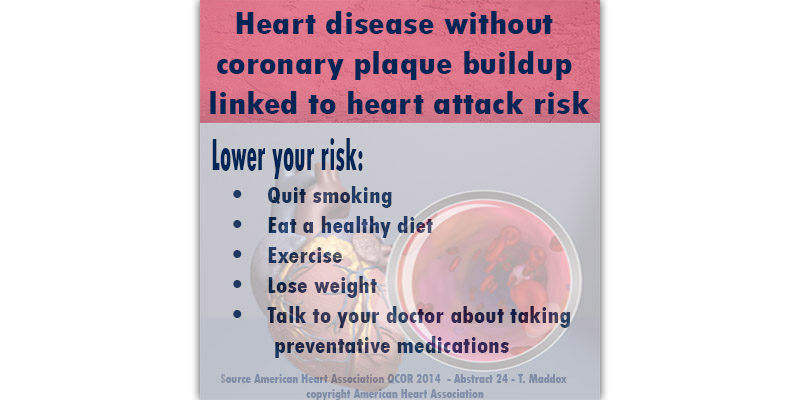
American Heart Association says Blood pressure control, lifestyle changes key to preventing subsequent Strokes
May 10, 2014
Saint Thomas and Vanderbilt support healthy lifestyle as key part of stroke prevention
Dallas, TX – Stroke survivors should control their blood pressure, cholesterol and weight and do moderate physical activity regularly to avoid having another stroke, according to an American Heart Association/American Stroke Association scientific statement.
They should also receive other evidence-based therapy specific to their individual health, which may include aspirin therapy or a surgical procedure to keep neck arteries open.
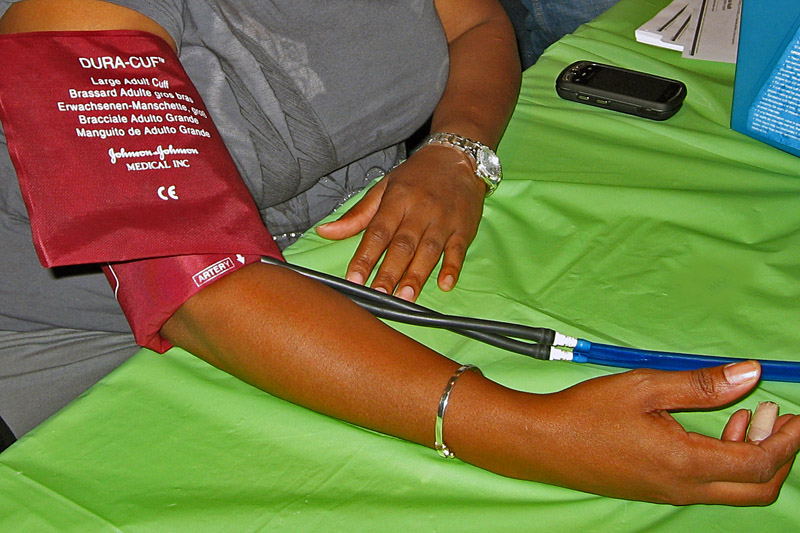
Blood Pressure Check. (American Heart Association)
ShopSmart’s Secrets for Sunburn Relief
June 26, 2013
Remedies that can help heal and those not worth the money
 Yonkers, NY – There’s no cure for a sunburn, but there are ways to minimize the misery. The July 2013 issue of ShopSmart magazine, from Consumer Reports, highlights effective treatments that can help heal after a sunburn and identifies products to avoid when scorched by the sun.
“Don’t get burned twice!” said Lisa Lee Freeman, editor-in-chief of ShopSmart. “Some sunburn products may do more harm than good.”

Protect yourself from the Summer Sun.
American Heart Association reports Healthy diet may help prevent recurrent Heart Attacks, Strokes
December 5, 2012
The benefits of eating right were in addition to those from taking preventive drugs, even in countries with varying economic levels.
Dallas, TX – If you have cardiovascular disease , a heart-healthy diet may help protect you from recurrent heart attacks and strokes, according to new research in the American Heart Association journal Circulation.
“At times, patients don’t think they need to follow a healthy diet since their medications have already lowered their blood pressure and cholesterol — that is wrong,” said Mahshid Dehghan, Ph.D., study author and a nutritionist at the Population Health Research Institute, McMaster University in Hamilton, Ontario, Canada. “Dietary modification has benefits in addition to those seen with aspirin, angiotensin modulators, lipid-lowering agents and beta blockers.”

A diet rich in vegetables and fruits with a higher ratio of fish External link to meats appeared to be more beneficial for preventing heart disease. (Photo by American Heart Association)
Eleven Strategies for Stroke Prevention
April 29, 2011
May is National Stroke Awareness Month
 Yonkers, NY – About every 40 seconds, someone in the U.S. suffers a stroke, and more than 77 percent are first events. In a new report available online at www.ConsumerReportsHealth.org, Consumer Reports Health identifies eleven strategies for stroke prevention.
“Many people don’t realize that by making healthier lifestyle changes, they can cut their risk of stroke dramatically,” says Orly Avitzur, M.D., medical adviser, Consumer Reports Health, and a board-certified neurologist. “American adults have their work cut out for them; only a very small fraction of people in their 40s and 50s have a handle on the major cardiovascular risk factors for stroke. Fortunately, many of those risk factors can be reduced or eliminated by controlling blood pressure, improving cholesterol levels, reining in diabetes, and quitting smoking.” [Read more]
Final data shows experimental agent better than aspirin at preventing stroke in some atrial fibrillation patients
February 17, 2011
Los Angeles, CA – A new anti-clotting agent is vastly superior to aspirin at reducing stroke risk (1.6 percent per year versus 3.6 percent per year) in atrial fibrillation (AF) patients unable to take stronger drugs, according to final data reported today at the American Stroke Association’s International Stroke Conference 2011. Researchers found the drug also works better in people with a history of stroke or a warning stroke.
Atrial fibrillation is a heartbeat abnormality that can cause blood clots which raise the risk of stroke, particularly in the elderly. [Read more]


