


Disadvantaged Kids may be at higher risk for Heart Disease later in life
August 25, 2017
Journal of the American Heart Association Report
 Dallas, TX – Children from socially and economically disadvantaged families and neighborhoods appear more likely to have thicker carotid artery walls, which in adults may indicate higher risk for heart attack and stroke in later life, according to new research in Journal of the American Heart Association, the Open Access Journal of the American Heart Association/American Stroke Association.
The carotid arteries supply blood to the brain. An ultrasound test of the arteries’ inner layers, the intima and media, may detect the early development of atherosclerosis, or “hardening of the arteries,” which underlies the development of cardiovascular disease later in life.
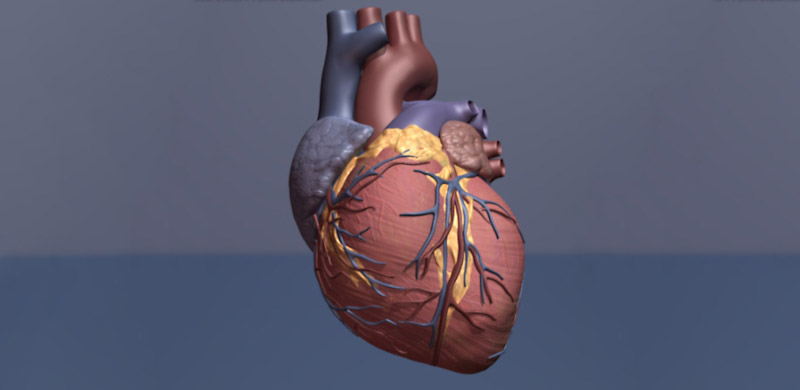
Children from socially and economically disadvantaged families and neighborhoods appear more likely to have thicker carotid artery walls, which in middle-aged and older adults has been associated with higher risk for heart attack and stroke. (American Heart Association)
Stent coated with an Erectile Dysfunction Drug may help prevent Blood Clots and Artery Narrowing
July 12, 2017
American Heart Association Meeting Report
Portland OR – A stent coated with an erectile dysfunction drug may someday help prevent arteries from becoming narrow or blocked again, according to preliminary research presented at the American Heart Association’s Basic Cardiovascular Sciences 2017 Scientific Sessions.
Stents help keep coronary arteries open and reduce the chance of a heart attack. With traditionally used bare metal stents, excessive tissue growth within the treated portion of the artery can cause restenosis — the artery to become narrow or blocked again.

If confirmed in human trials, the drug might someday be included in the coating of stents or given orally just after a stent is inserted to open a narrowed artery. (American Heart Association)
American Heart Association says Coordinated Response cuts time to treatment for deadly Heart Attacks
August 3, 2016
American Heart Association Rapid Access Journal Report
Dallas, TX – When emergency medical services (EMS) and hospital providers worked together in a coordinated system, people suffering deadly heart attacks received life-saving treatment sooner, according to a new study in the American Heart Association’s journal Circulation.
Often considered the most deadly type of heart attack, ST segment elevation myocardial infarction, or STEMI, happens when the blood supply to the heart is completely blocked. Quickly opening the blocked artery can restore normal blood flow, minimize heart damage and save lives.
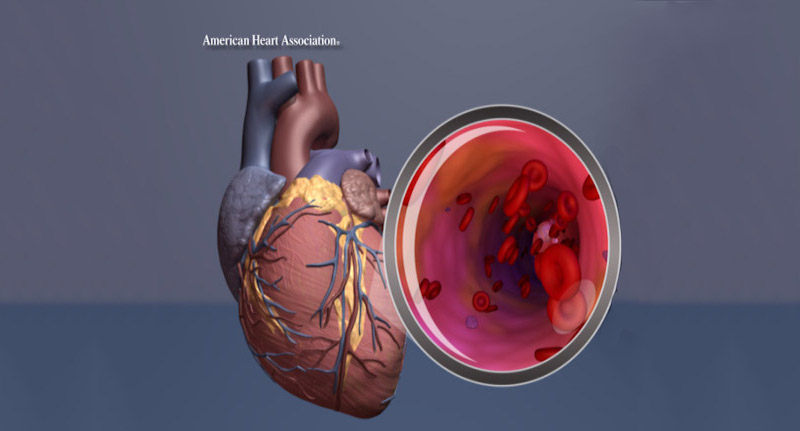
Treatment response times improved the most when patients were taken by EMS directly to hospitals that could perform the procedure to open blocked heart arteries. (American Heart Association)
Hard to treat Chest Pain may be improved with a Patient’s own Stem Cells according to American Heart Association
July 20, 2016
Phoenix, AZ – A non-surgical treatment that uses a patient’s own bone marrow stem cells to treat chest pain or angina improved both symptoms and the length of time treated patients could be physically active, according to preliminary research presented at the American Heart Association’s Basic Cardiovascular Sciences 2016 Scientific Sessions.
Angina is chest pain or discomfort caused when the heart does not get enough oxygen-rich blood due to narrowing or blockages in the arteries leading to the heart.
A patient’s own stem cells may treat chest pain that cannot be treated with current therapies. (American Heart Association)
Sleep disorders may predict heart events after angioplasty
June 17, 2016
American Heart Association Rapid Access Journal Report
Dallas, TX – People who have had percutaneous coronary intervention (PCI), also known as angioplasty, for acute coronary syndrome could be at higher risk of death, heart failure, heart attack and stroke if they have sleep-disordered breathing, such as sleep apnea, according to new research in Journal of the American Heart Association, the Open Access Journal of the American Heart Association/American Stroke Association.
Acute coronary syndrome, is an umbrella term for conditions in which the blood supplied to the heart is suddenly blocked.

Sleeping woman. (American Heart Association)
U.S. stroke hospitalizations drop overall, but increase for young people and African-Americans
May 15, 2016
American Heart Association Rapid Access Journal Report
Dallas, TX – Nationwide, fewer people overall are being hospitalized for ischemic strokes, which are caused by artery blockages, but among young people and African-Americans, stroke hospitalizations are rising, according to new observational research in Journal of the American Heart Association, the Open Access Journal of the American Heart Association/American Stroke Association.
Between 2000 and 2010, the number of adults admitted to US hospitals with ischemic stroke fell 18.4 percent, according to researchers who analyzed a national database which collects information on about 8 million hospital stays each year. Ischemic strokes are the most common type of stroke.
A blood clot forming in the carotid artery. (American Heart Association)
Recent Asthma may be linked with Abdominal Aneurysm Rupture
February 13, 2016
American Heart Association Rapid Access Journal Report
Dallas, TX – Patients aged 50 and older with recent asthma activity were significantly more likely than non-asthmatics to experience abdominal aortic aneurysm rupture and sudden death, according to new research published in Arteriosclerosis, Thrombosis and Vascular Biology, an American Heart Association journal.
The main artery in the body, called the aorta, carries blood to the whole body. When this vessel becomes weakened it can form a balloon-like bulge that may rupture and if left untreated can cause sudden death.

Asthma inhaler. (American Heart Association)
American Heart Association report shows Adults born with Heart Defects have a substantially higher risk of Stroke
November 28, 2015
American Heart Association Rapid Access Journal Report
Dallas, TX – Adults with congenital heart defects have substantially higher rates of stroke compared to the general population, according to research published in the American Heart Association journal, Circulation.
A congenital heart defect is a heart abnormality present at birth.

Human Brain Image. (American Heart Association)


