


American Heart Association reports Artificial Intelligence examining ECGs predicts Irregular Heartbeat, Death Risk
November 14, 2019
 Dallas, TX – According to two preliminary studies to be presented at the American Heart Association’s Scientific Sessions 2019 — November 16th-18th in Philadelphia, artificial intelligence can examine electrocardiogram (ECG) test results, a common medical test, to pinpoint patients at higher risk of developing a potentially dangerous irregular heartbeat (arrhythmia) or of dying within the next year.
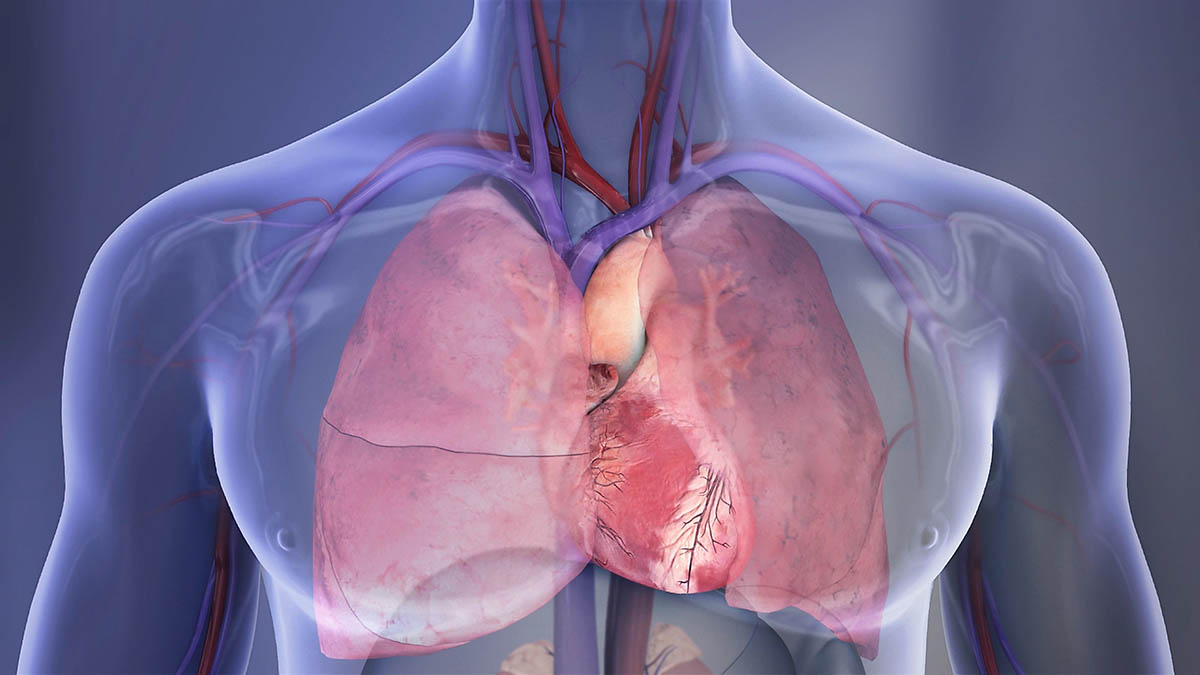
Scientists trained a computer (a neural network or artificial intelligence) to evaluate electrocardiograms (ECGs) to predict which patients are likely to develop an irregular heartbeat – even when doctors interpreted the test results as normal. (American Heart Association)
American Heart Association reports Cannabis may be linked to Strokes, Heart Rhythm disturbances in Young People
November 12, 2019
Dallas, TX – Frequent cannabis (marijuana) use among young people was linked to an increased risk of stroke and people diagnosed with cannabis use disorder were more likely to be hospitalized for heart rhythm disturbances (arrhythmias), according to two new preliminary studies to be presented at the American Heart Association’s Scientific Sessions 2019 — November 16th -18th in Philadelphia.

Young people who reported using cannabis frequently had higher risk of having a stroke, according to a Virginia study. (American Heart Association)
Four-year follow-up confirms that participation in competitive sports may be okay for many athletes with implanted cardioverter defibrillators
June 10, 2017
American Heart Association Rapid Access Journal Report
 Dallas, TX – A four-year study of athletes with implantable defibrillators confirms an earlier short-term study’s findings that competitive sports may be considered for many of these athletes, according to new research in the American Heart Association’s journal Circulation.
An implantable cardioverter defibrillator (ICD) is a battery-powered device placed under the skin that tracks the heart rate and delivers an electric shock when it detects a type of abnormal heart rhythm called an arrhythmia.

ICD patients should talk to their doctors about their individual risks of participating in competitive sports.
Sleep disorders may influence heart disease risk factors says American Heart Association
September 26, 2016
American Heart Association Scientific Statement
Dallas, TX – Sleep problems including sleeping too little or too long, may be linked to a variety of factors that may raise the risk for cardiovascular diseases, according to a new American Heart Association scientific statement published in the American Heart Association journal Circulation.
The first statement by the American Heart Association on sleep and heart health outlines what we currently know about sleep irregularities and cardiovascular-related risk factors, including obesity, Type 2 diabetes, heart disease and atherosclerosis, arrhythmias, high blood pressure, stroke, unhealthy levels of triglycerides and cholesterol.

Research linking sleep problems to obesity and diabetes is robust, but longer studies measuring impact on actual weight are needed. (American Heart Association)
American Heart Association says restricting Calories may improve Sleep Apnea, Blood Pressure in Obese People
September 20, 2014
San Francisco, TN – Restricting calories may improve obstructive sleep apnea and reduce high blood pressure in obese adults, according to a study presented at the American Heart Association’s High Blood Pressure Research Scientific Sessions 2014.
People with sleep apnea may experience pauses in breathing five to 30 times per hour or more while sleeping. It prevents restful sleep and is associated with high blood pressure, arrhythmia (abnormal heart rhythm), stroke and heart failure.
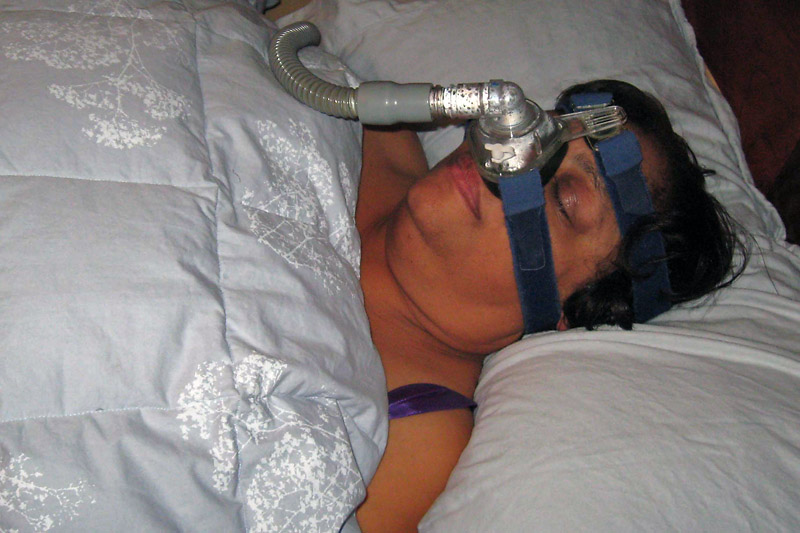
Sleep Apnea – Woman wearing CPAP. (American Heart Association)


