


Young Adults with PTSD may have a Higher Risk of Stroke in Middle Age
October 26, 2019
 Dallas, TX – According to new research published in Stroke, a journal of the American Stroke Association, a division of the American Heart Association, Young adults who suffer from posttraumatic stress disorder (PTSD) may be more likely to experience a transient ischemic attack (TIA) or major stroke event by middle age, raising the risk as much as other better-known risk factors.
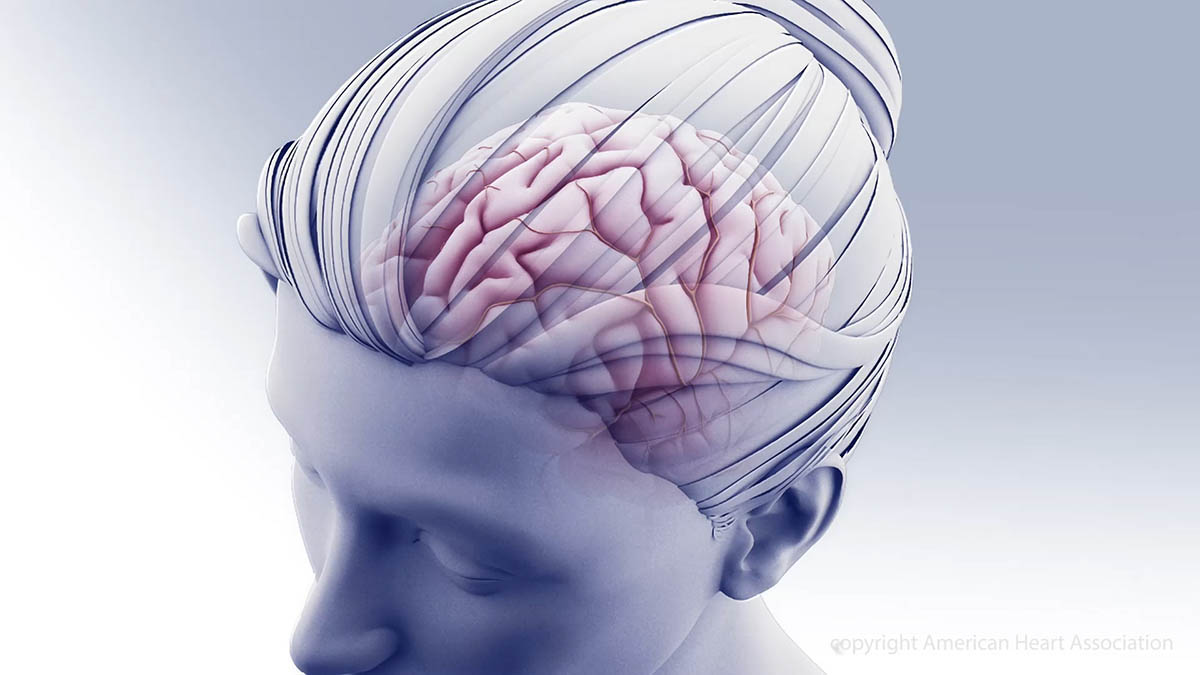
This nationwide study of more than 1.1 million adults showed that PTSD may be a potent risk factor for developing stroke at a young age. (American Heart Association)
American Stroke Association reports Psychiatric Illness may increase Stroke Risk
March 7, 2017
 Houston, TX – Patients hospitalized or treated in the emergency room for depression, anxiety, posttraumatic stress disorder (PTSD) or other psychiatric disorders may have an increased risk for stroke, particularly in the 15 days following their psychiatric diagnosis, according to research presented at the American Stroke Association’s International Stroke Conference 2017.
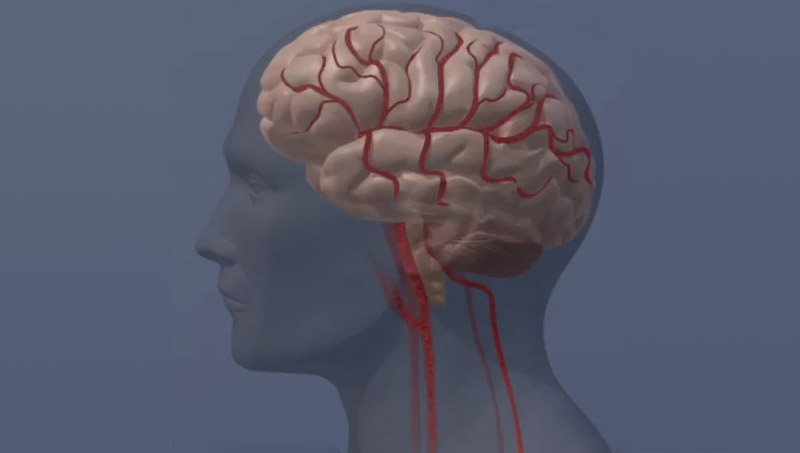
Risk of stroke was greatest within 15 days of psychiatric diagnosis, declined with time, but persists for at least a year.. (American Heart Association)
American Heart Association says Women with Mild Heart Blockage report Poorer Health, more Anxiety and Negativity than Men
February 28, 2017
American Heart Association Rapid Access Journal Report
 Dallas, TX – Women with mild blockage of coronary arteries report poorer health, more anxiety and a more negative outlook than men with the same condition, according to new research in the American Heart Association’s journal Circulation: Cardiovascular Quality and Outcomes.
In general, people with non-obstructive coronary artery disease report more anxiety, depression and a negative outlook, what physicians refer to as psychosocial distress, than the general population. Prior to this study, gender disparity had not been investigated.

F.A.S.T. infographic with stroke warning signs: Face drooping, Arm weakness, Speech difficulty, Time to call 9-1-1. Strokeassociation.org (American Heart Association)
Back to School: Helping Your Child Cope With Anxiety, Reducing Stress, Overcoming Fears
July 21, 2016
 Nashville, TN – The first day of school for a child, as well as their parent, is a milestone moment, a period in time filled with hope, and great expectations.
For many children and parents, this is a time of excitement mixed with some anxiety. Children experiencing these brand new surroundings, for the first time, can find it both exhilarating and stressful.

Back to School Basics: Help prepare you Child for the new School Year.
American Heart Association survey reveals Americans have potentially dangerous misconceptions about Heart Failure
June 22, 2015
Dallas, TX – Nearly six million Americans currently live with heart failure, yet a recent national survey found potentially dangerous misconceptions and knowledge gaps about the disease.
In fact, nearly half of those surveyed got fundamental facts about heart failure wrong and two-thirds of respondents confused signs of heart failure with signs of a heart attack.
[youtube]https://www.youtube.com/watch?v=GR6n-DMfCDI[/youtube] [Read more]
American Heart Association says Anxiety, Depression in Heart Disease Patients linked to increased risk of Dying
June 5, 2013
The findings suggest more frequent monitoring is needed for heart patients with anxiety and depression.
Dallas, TX – Heart disease patients who have anxiety have twice the risk of dying from any cause compared to those without anxiety, according to new research in the Journal of the American Heart Association.
Patients with both anxiety and depression have triple the risk of dying, researchers said.
“Many studies have linked depression to an increased risk of death in heart disease patients,” said Lana Watkins, Ph.D., lead author of the study and an associate professor in Psychiatry and Behavioral Sciences at Duke University Medical Center in Durham, NC. “However, anxiety hasn’t received as much attention.” [Read more]
American Heart Association says Education, Psychological Support key for Defibrillator Patients
September 26, 2012
Each month, 10,000 people, including children, have a defibrillator implanted to restore normal heart rhythm and prevent sudden cardiac death.
Dallas, TX – Improved patient education and ongoing psychological support will help people cope with the psychological distress of having an implanted defibrillator, according to a scientific statement from the American Heart Association.
The statement, published in the American Heart Association journal Circulation, is a comprehensive review of the psychosocial and quality of life for people who receive an implantable cardioverter defibrillator (ICD) to restore normal heart rhythm and prevent sudden cardiac death. It includes recommendations for improved patient care and identifies areas where more research is needed. [Read more]
Insomnia could moderately raise your heart attack risk
October 25, 2011
Dallas, TX – Having trouble sleeping? If so, you could have a moderately higher risk of having a heart attack, according to research reported in Circulation: Journal of the American Heart Association.
In a recent study, the risk of heart attack in people with insomnia ranged from 27 percent to 45 percent greater than for people who rarely experienced trouble sleeping.
Researchers related heart attack risks to three major insomnia symptoms. [Read more]


