


Short episodes of Abnormal Heart Rhythm may not increase Risk of Stroke
October 18, 2016
American Heart Association Rapid Access Journal Report
 Dallas, TX – People with pacemakers or defibrillators who experience only short episodes of an abnormal heart rhythm known as atrial fibrillation have a very low risk of stroke, suggesting that anticoagulants in this group of patients were not likely to reduce the risk for stroke, according to new research in the American Heart Association’s journal Circulation.
Atrial fibrillation is the most common abnormal heart rhythm, affecting approximately 2.7 million Americans.
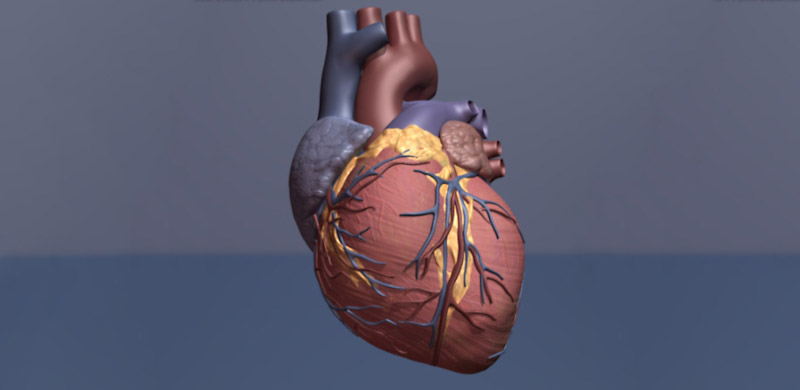
People with pacemakers or defibrillators who experience short episodes an abnormal heart rhythm called atrial fibrillation have no higher risk for stroke or other medical complications than people without documented atrial fibrillation. (American Heart Association)
American Stroke Association says Implanted Cardiac Monitor identifies Stroke risk better than traditional methods
March 7, 2014
 San Diego, CA – A cardiac monitor about the size of a USB flash drive that’s implanted under the skin was six to seven times more likely to detect atrial fibrillation, an abnormal heart rhythm that’s a risk factor for stroke, according to a science report presented at the American Stroke Association’s International Stroke Conference 2014.
The monitor could help identify the 30 percent of ischemic strokes with no apparent cause. Ischemic strokes are caused by a clot in a blood vessel in or near the brain. [Read more]


