


Horse, rhythm-and-music therapies may boost recovery after stroke
June 21, 2017
American Heart Association Rapid Access Journal Report
 Dallas, TX – Horseback riding and rhythm-and-music therapies may improve stroke survivors’ perception of recovery, gait, balance, grip strength and cognition years after their stroke, according to new research in the American Heart Association’s journal Stroke.
A variety of interventions that engage patients in physical, sensory, cognitive and social activities simultaneously target a range of functions.
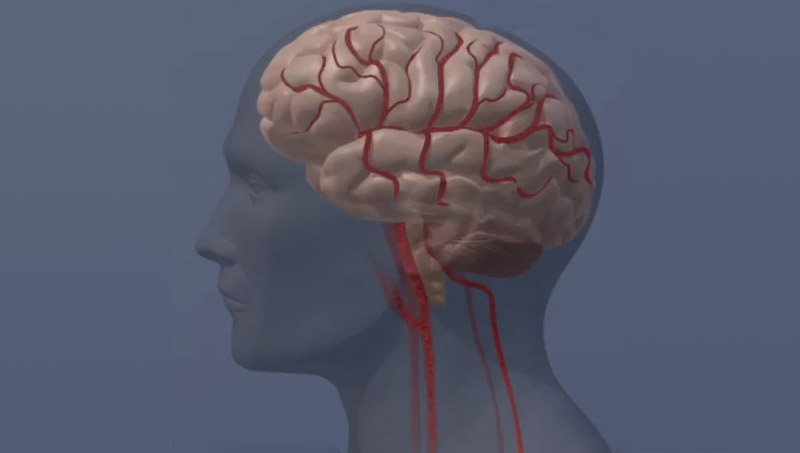
Researchers said significant improvements are still possible years after stroke using motivating, comprehensive therapies that combine physical, sensory, cognitive and social components to stimulate and increase brain activity. (American Heart Association)
Energy drinks linked to more heart, blood pressure changes than caffeinated drinks alone
April 27, 2017
American Heart Association Rapid Access Journal Report
Dallas, TX – Drinking 32 ounces of a commercially available energy drink resulted in more profound changes in the heart’s electrical activity and blood pressure than drinking 32 ounces of a control drink with the same amount of caffeine – 320 milligrams (mg), according to new research in Journal of the American Heart Association, the Open Access Journal of the American Heart Association/American Stroke Association.
While the U.S. Food and Drug Administration generally considers caffeine in doses of less than 400 mg as safe, energy drinks often consist of not only caffeine but proprietary energy blends.
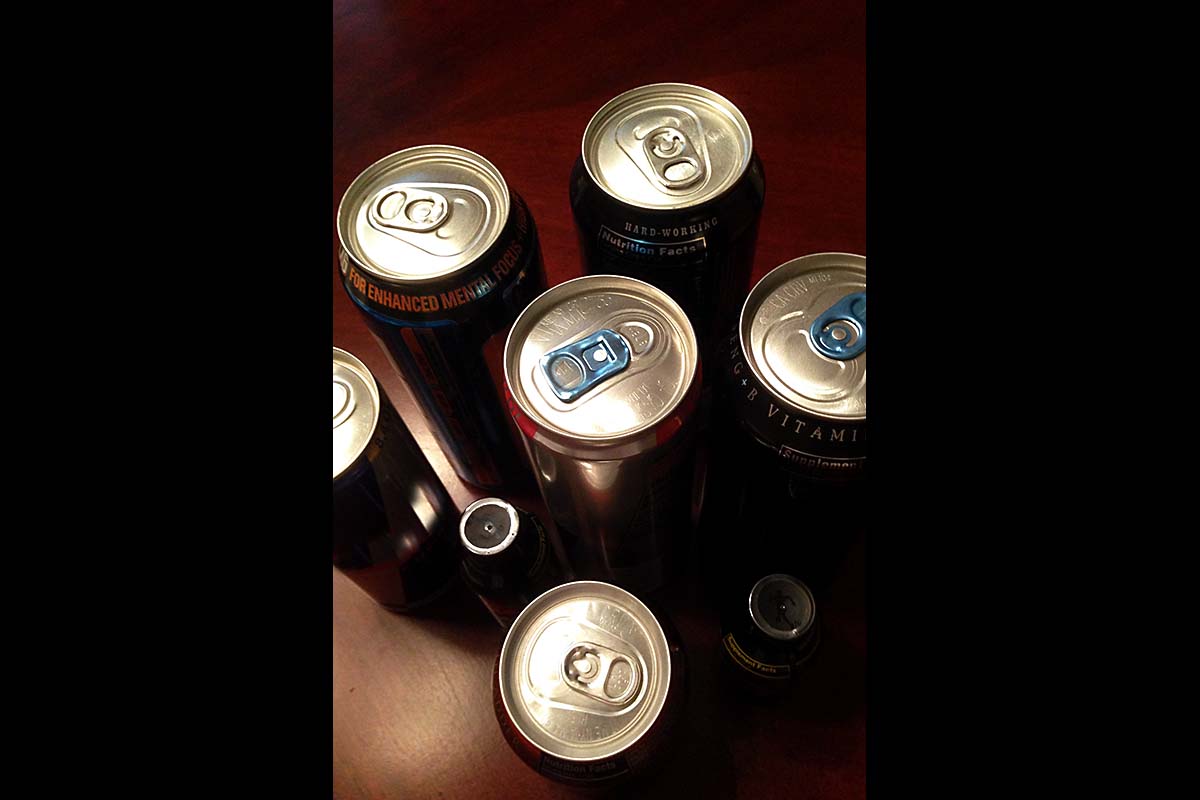
Two hours after drinking 32 ounces of a commercially available energy drink, the heart’s electrical activity was abnormal compared to drinking a caffeine-matched control drink.
American Heart Association says Electronic Vaping Use by Teens Extremely Disturbing
June 11, 2016
Washington, D.C. – American Heart Association CEO Nancy Brown issued the following comments today on the Centers for Disease Control and Prevention’s Youth Risk Behavior Survey, which is conducted every two years.
The 2015 data show the rate of cigarette smoking among American high school students has continued to drop since the last survey.

Unlike tobacco products, e-cigarettes are not age-restricted. Use among youth approximately doubled between 2011 and 2012, by which time an estimated 1.78 million students in grades 6–12 had tried the devices, according to the Centers for Disease Control and Prevention.
Recent Asthma may be linked with Abdominal Aneurysm Rupture
February 13, 2016
American Heart Association Rapid Access Journal Report
Dallas, TX – Patients aged 50 and older with recent asthma activity were significantly more likely than non-asthmatics to experience abdominal aortic aneurysm rupture and sudden death, according to new research published in Arteriosclerosis, Thrombosis and Vascular Biology, an American Heart Association journal.
The main artery in the body, called the aorta, carries blood to the whole body. When this vessel becomes weakened it can form a balloon-like bulge that may rupture and if left untreated can cause sudden death.

Asthma inhaler. (American Heart Association)
American Heart Association says African-Americans at lower Socioeconomic Levels have increased risk of Heart Disease, Stroke
June 1, 2015
Dallas, TX – African Americans at lower socioeconomic levels, particularly women and younger adults, are at greater risk of heart disease and stroke than those in higher socioeconomic positions, according to research in the Journal of the American Heart Association.
Cardiovascular disease (CVD) is the No. 1 killer of all Americans, but the burden is greater for African Americans.
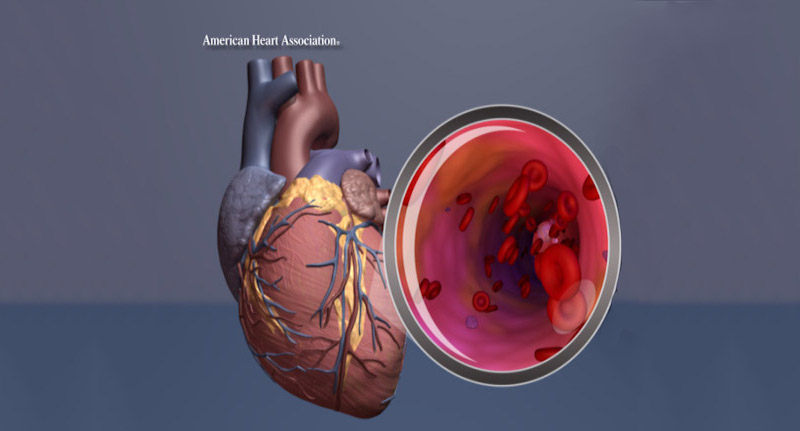
African Americans, especially women and young adults at lower socioeconomic levels have an increased risk of heart disease and stroke. (American Heart Association)
American Heart Association reports positive factors in Youth linked to better Heart Health later in Life
January 19, 2015
Dallas, TX – Children with favorable psychosocial experiences may have better cardiovascular health in adulthood, according to new research in the American Heart Association journal Circulation.
Positive psychosocial factors include growing up in a family that practices healthy habits, is financially secured, is a stable emotional environment, and where children learn to control aggressiveness and impulsiveness and fit in socially. [Read more]
American Heart Association reports Surgeons use 3D printed model of Heart to treat patients with disorders
November 29, 2014
Chicago, IL – An experimental 3-dimensional printed model of the heart may help surgeons treat patients born with complicated heart disorders, according to research presented at the American Heart Association’s Scientific Sessions 2014.
Most heart surgeons use 2D images taken by X-ray, ultrasound and MRI for surgical planning. However, these images may not reveal complex structural complications in the heart’s chambers that occur when heart disease is present at birth (congenital heart defects), as opposed to developing later in life within a structurally normal heart. [Read more]
American Heart Association says New Guidelines aim to improve care for Babies with Heart Problems in the Womb
May 9, 2014
American Heart Association Scientific Statement
Dallas, TX – Fetal heart experts working with the American Heart Association have developed guidelines to help healthcare providers care for unborn babies with heart problems, as well as their families.
The statement, Diagnosis and Treatment of Fetal Cardiac Disease, is published in the American Heart Association journal, Circulation.

Heart experts have developed the first scientific statement on detecting, managing and treating heart abnormalities in the womb.


