


American Indians may have a higher risk for Irregular Heartbeat
October 27, 2019
 Dallas, TX – According to new research published in Circulation, the American Heart Association’s premier cardiovascular research journal, irregular heartbeat or atrial fibrillation (AFib) occurred more often among American Indians than among other racial and ethnic groups, .
AFib affects approximately 2.7 million people in the United States, and it is a serious disorder that can increase the risk for stroke and other cardiovascular diseases.
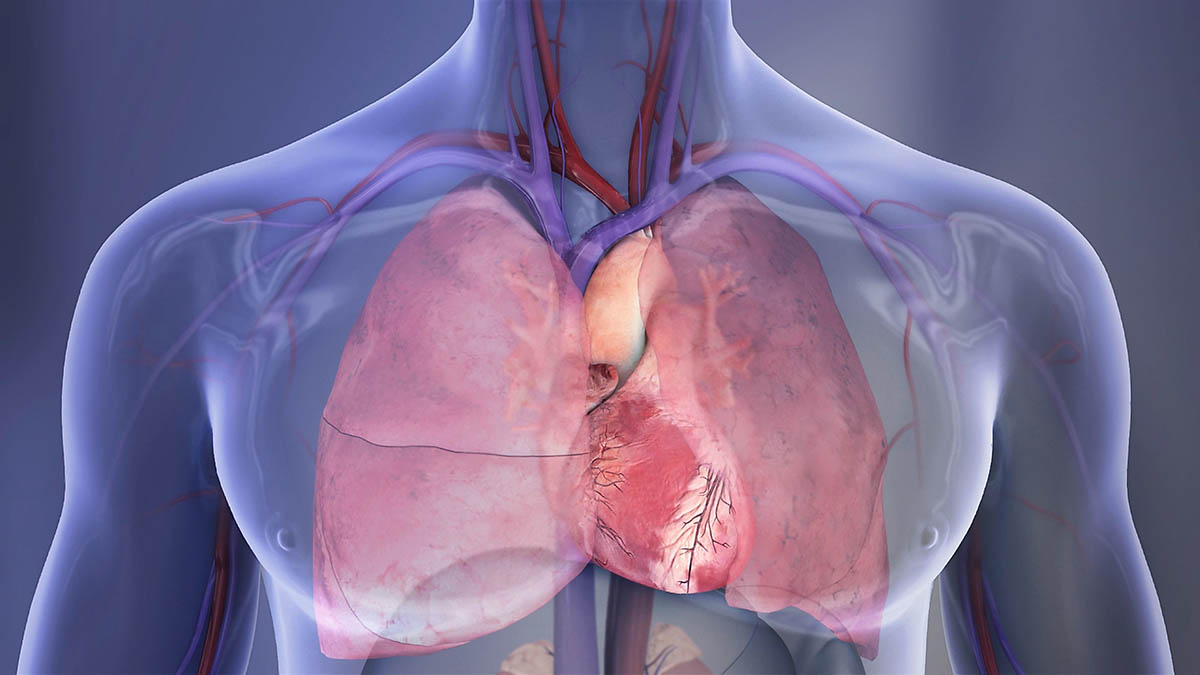
Atrial fibrillation, also known as irregular heartbeat, occurred more often among American Indians than among other racial and ethnic groups, according to new research. (American Heart Association)
American Heart Association says Irregular Heart Rhythm may affect Walking and Strength in older Adults
April 8, 2016
Circulation: Arrhythmia and Electrophysiology Rapid Access Journal Report
 Dallas, TX – When older people develop atrial fibrillation — the most common type of irregular heartbeat — it accelerates age-related declines in walking speed, strength, balance and other aspects of physical performance, according to new research in Circulation: Arrhythmia and Electrophysiology, an American Heart Association journal.
“Particularly in older adults, we need to be mindful that the effects of atrial fibrillation (AFib or AF) go beyond increasing the risk of heart failure and stroke. We learned from this study that older adults with AFib are especially vulnerable to losing strength, balance, gait speed and coordination,” said Jared W. Magnani, M.D., Ms.C., lead author of the study and assistant professor of medicine at Boston University.

When people over age 70 develop atrial fibrillation, the most common type of irregular heartbeat, it accelerates age-related declines in walking speed, strength, balance and other aspects of physical performance. (American Heart Association)
One in six people worldwide will have a stroke in their lifetime; World Stroke Day is October 29th
October 24, 2013
According to a new survey, people more likely to witness a stroke might not know how to identify one; free app helps people Spot a Stroke F.A.S.T.
Nashville, TN – Crystal Wall was having a typical chat on the phone with her sister Chassity Anderson — until her sister’s phone abruptly crashed to the floor and her words suddenly became slurred.
Anderson, 37, was having another stroke.
“Because my sister had suffered from stroke before, I recognized the warning signs and knew to call 9-1-1,” Wall said. “I know stroke is something that can happen to anyone at any time and if it does, you have to act quickly. The longer you wait, the worse it can be.” [Read more]


