


Aerobic Exercise Programs may improve Endurance, Walking after Stroke
September 17, 2019
 Dallas, TX – New research in Journal of the American Heart Association, the Open Access Journal of the American Heart Association/American Stroke Association, indicates stroke survivors who completed group-based aerobic exercise programs similar in design and duration to cardiac rehabilitation programs significantly improved their aerobic endurance and walking ability.
Stroke remains the leading cause of disability in the U.S. and physical therapy is often prescribed to improve physical impairments after stroke.
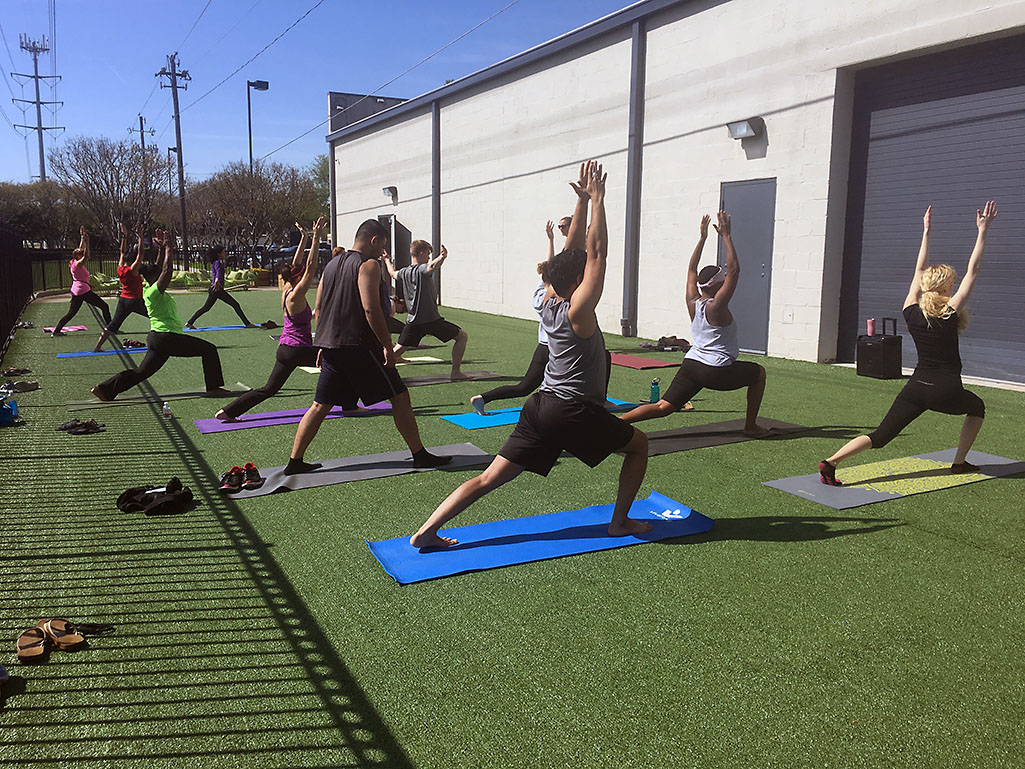
Mixed forms of aerobic activity and walking had the most benefit for stroke survivors. (American Heart Association)
Middle-Aged Couch Potatoes may reverse Heart Effects of a Sedentary Life with Exercise Training
January 10, 2018
Circulation Journal Report
 Dallas, TX – Middle-aged couch potatoes may reduce or reverse the risk of heart failure associated with years of sitting if they participate in two years of regular aerobic exercise training, according to a new study in the American Heart Association’s journal Circulation.
Study participants who adhered to the aerobic exercise regimen had significant improvements in how their body used oxygen and had decreased cardiac stiffness after two years, both markers of a healthier heart.

Two years of exercise training during middle age may reduce or reverse the cardiac consequences of a sedentary lifestyle.
Exercise can significantly improve brain function after stroke according to American Heart Association
March 3, 2017
American Stroke Association Meeting Report
Houston, TX – Structured exercise training can significantly improve brain function in stroke survivors, according to research presented at the American Stroke Association’s International Stroke Conference 2017.
Stroke is the fifth leading cause of death in the United States, and the leading cause of long-term disability. Studies estimate that up to 85 percent of people who suffer a stroke will have cognitive impairments, including deficits in executive function, attention and working memory.
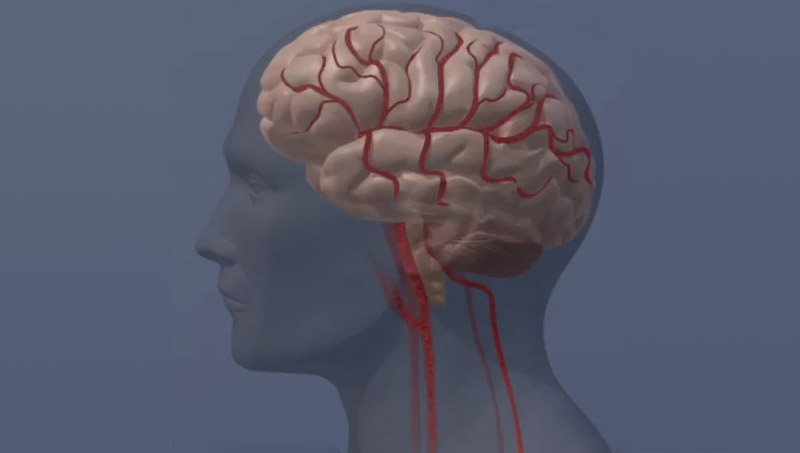
Structured physical activity training after a stroke effectively improves brain function. (American Heart Association)
American Heart Association says alternative therapies may help lower blood pressure
April 29, 2013
Due to their modest effects, alternative therapies can be used with — not as a replacement for — standard treatment.
Dallas, TX – Alternative therapies such as aerobic exercise, resistance or strength training, and isometric hand grip exercises may help reduce your blood pressure, according to the American Heart Association.
In a new scientific statement published in its journal Hypertension, the association said alternative approaches could help people with blood pressure levels higher than 120/80 mm Hg and those who can’t tolerate or don’t respond well to standard medications.
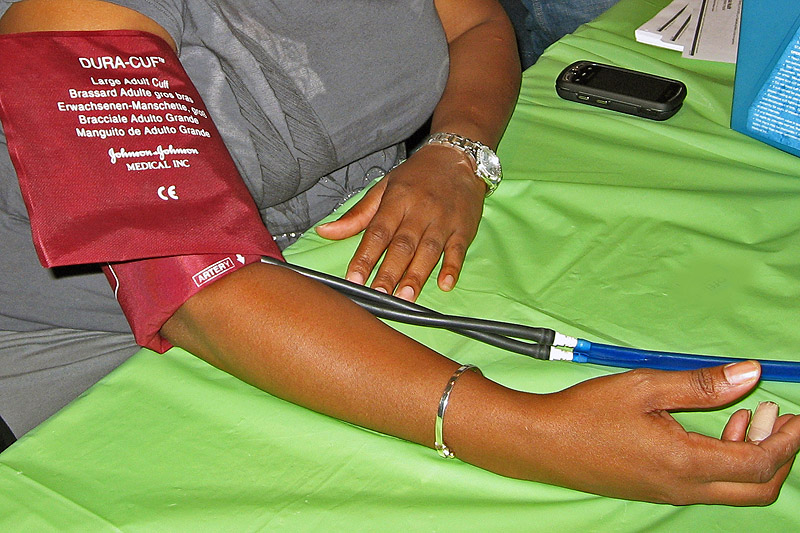
Blood Pressure Check. (American Heart Association)


