 Nashville, TN – Although Tennessee is experiencing mild temperatures this week, the State Fire Marshal’s Office (SFMO) reminds consumers that winter is indeed coming, and bringing with it an increased risk for home fires and carbon monoxide poisoning.
The SFMO urges consumers to take safety measures to avoid the hazards that can result from using household heating appliances during the cold weather seasons.
“Statistics consistently show a substantial uptick in fire fatalities during heating season,” said State Fire Marshal and Commerce & Insurance Commissioner Julie Mix McPeak.
 [1]
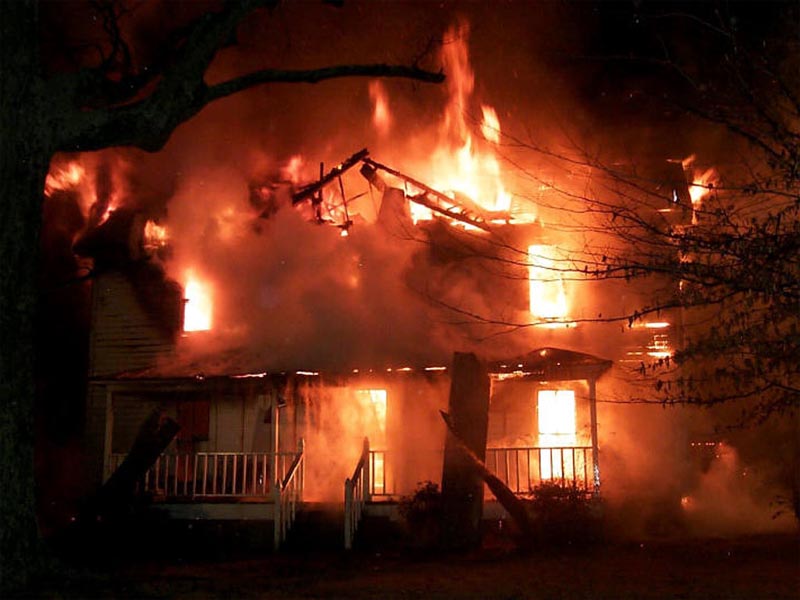
[1]From 2012-2016, Tennessee Fire Departments responded to 2,938 home structure fires that involved heating equipment.
“We cannot stress enough the importance of keeping safety in mind when heating your home. A few simple safety tips and precautions can prevent most heating fires from happening,” stated McPeak.
Heating equipment is the leading cause of home fire deaths nationally and the second leading known cause in Tennessee. According to SFMO data, from 2012-2016, Tennessee fire departments responded to 2,938 home structure fires that involved heating equipment. These fires resulted in 49 fatalities.
Heating equipment fires accounted for eight percent of all reported home fires and 11 percent of all home fire deaths during that time period.
In addition to fire risks, carbon monoxide (CO) poisoning [2] can also result from improper home heating practices. CO, often called “the silent killer,” is a gas you cannot see, taste, or smell.
It can be created when fuels do not burn properly. Sources of carbon monoxide in the home can include oil and gas furnaces, gas water heaters, wood and gas fireplaces, gas ranges and ovens, gas or kerosene space heaters, and wood stoves.
A person can be poisoned by a small amount of CO over a longer period of time or by a large amount of CO over a shorter amount of time.
The SFMO encourages Tennesseans to utilize the following safety precautions to avoid heating and carbon monoxide hazards:
- All heaters need space. Keep anything that can burn at least three feet away from heating equipment.
- Have heating equipment and chimneys cleaned and inspected every year by a qualified professional.
- Purchase and use space heaters that have an automatic shut-off—if they tip over, they shut off.
- Place space heaters on a solid, flat surface and keep them and their electrical cords away from things that can burn, high traffic areas, and doorways.
- Remember to turn portable heaters off when leaving the room or going to bed.
- Always use the right kind of fuel, specified by the manufacturer, for fuel burning space heaters.
- Never use your oven to heat your home.
- Burn only dry, seasoned wood in fireplaces and woodstoves. Never burn garbage or use flammable liquids to start a fire.
- Make sure the fireplace has a sturdy screen to stop sparks from flying into the room. Ashes should be cool before putting them in a metal container. Keep the container a safe distance away from your home.
- If the pilot light of your gas heater goes out, allow five minutes or more for the gas to go away before trying to relight the pilot. Follow manufacturer’s instructions when relighting the pilot. Do not allow gas to accumulate, and light the match before you turn on the gas to the pilot to avoid risk of flashback.
- If you smell gas in your gas heater, do not light the appliance. Leave the home immediately and call your local fire department or gas company.
- Install wood burning stoves following manufacturer’s instructions or have a professional do the installation. All fuel-burning equipment should be vented to the outside to avoid CO poisoning.
- CO alarms and smoke alarms should be installed on every level of the home. See the manufacturer’s instructions for exact placement and location.
For additional home fire safety tips and resources, visit tn.gov/fire [3].