 Nashville, TN – With the first serious cold weather storm front of 2016 headed toward Tennessee tonight, the Tennessee Department of Health is reminding residents about the need for increased efforts to protect themselves, their families and their friends from winter weather-related harm.
“We all need to take these potentially deadly winter weather activities and storms seriously, and use warnings as an opportunity to prepare and think differently than our normal routine to prevent a tragedy,” said TDH Commissioner John Dreyzehner, MD, MPH.
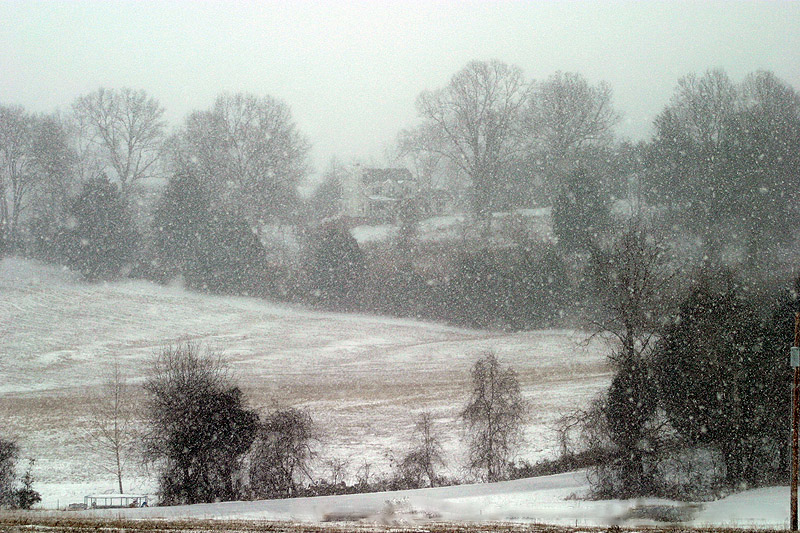 [1]
[1]Tennesseans Urged to Protect Themselves, Their Families and Their Friends during Winter Weather.
“It can happen to any of us while clearing a snowy driveway that strains a heart, falling in a bathrobe that leaves us outside for longer than we expected, consuming alcohol and drugs that make us more vulnerable to hypothermia or placing the generator outside a door or window that allows in deadly gas.” stated Dreyzehner. “We lost wonderful people to cold temperatures last year from things like heart attacks, hypothermia and carbon monoxide poisoning. Let’s do all we can to be prepared and watch out for each other this winter.”
TDH offers these suggestions on planning and preparing for winter weather:
- Keep at least a half-tank of gas in your vehicle at all times, and be sure you have an emergency kit in the vehicle. This should include candles and matches; a blanket; food such as energy bars and water; a small shovel; flashlight with fresh batteries; first aid supplies; a charger for your cell phone; ice scraper; gloves and extra clothing.
- Dress for the weather even when you’ll be inside a vehicle; you never know when you will have an accident or mechanical failure. Wear layers including warm socks, a scarf, a hat, gloves and appropriate shoes or boots for walking in snow and ice.
- Carry an extra set of car keys in case you get locked out of your vehicle.
- Don’t warm up your vehicle inside a closed garage; doing so could lead to carbon monoxide poisoning.
- DON’T text and drive! Ice and snow on roads already increase the challenges of driving.
- Always tell someone your travel route and when you will arrive and return. Better still, if you don’t have to drive, stay at home or use public transportation.
- If you need help on the road, call *THP (*847) for assistance from the Tennessee Highway Patrol.
- Never use an outdoor grill indoors for cooking or warmth, as these grills put out significant amounts of carbon monoxide and increase fire danger.
- Teach children to stay a safe distance away from candles and fireplaces.
TDH also warns residents to have increased awareness about hypothermia, which is caused when the body’s core temperature drops to unsafe levels.
[320left]“Hypothermia can happen to any of us, but people who are medically fragile, homeless, on certain medications and using alcohol are at greater risk than others and a caring person can help protect them,” said Dreyzehner. “Please think about friends, family and acquaintances that may be at greater risk, and make a plan to check on them. If you can’t do it yourself, call emergency services, local police or your local health department. If help is needed to help someone else, emergency responders are here to make that happen. A phone call or conversation could mean the difference between life and death.”
Hypothermia can happen fast.
People most at risk for hypothermia include those who:
- take certain medications, like those used for behavioral health, that affect the body’s ability to regulate temperature
- use alcohol, especially if intoxicated by alcohol and other drugs
- are elderly or have medical conditions that may impair generation of body heat
- live alone or are socially isolated or homeless
- have mental/behavioral health issues
- are male (studies have shown males are more likely to be victims of hypothermia)
“A person can be developing hypothermia but not know it because confusion and amnesia are among the symptoms of the deadly condition,” said TDH Emergency Preparedness Program Director Paul Petersen, PharmD. “Many mistakenly believe hypothermia only happens to people who spend long periods of time outdoors. In fact, it can happen to a person in a residence or structure that doesn’t have sufficient warmth, or in a vehicle lacking a working heating system.”
In addition to creating a system for checking on others, TDH urges Tennesseans to properly take care of themselves during extreme cold weather.
Directions for avoiding hypothermia include:
- If you have a medical emergency, or are worried about a friend or neighbor don’t hesitate to call 911
- Dress in layers to retain body heat and limit time outdoors or in cold environments. Wearing a hat or head covering is most important.
- Come inside frequently to warm up. If your home or business heating system fails don’t attempt to “tough it out”; seek an alternative place to stay. Never use a power generator indoors; they can generate deadly carbon monoxide gas. Also do not use outdoor gas or charcoal cooking devices indoors.
- Don’t drink alcohol. It provides a temporary sensation of warmth but long-term it causes your body to lose heat and can lead to hypothermia. Alcohol can also dull the senses, prohibiting clear-thinking when it is needed most.
- Medical conditions or drugs you take may affect your body’s ability to regulate heat. Some antidepressants, antipsychotics, narcotic pain medications and sedatives can change the body’s ability to regulate temperature. Some health disorders can also affect your body’s ability to regulate its temperature, including underactive thyroid, poor nutrition, stroke, Parkinson’s disease, trauma, spinal injuries, dehydration, circulatory issues and other conditions.
- Make sure you have someone that checks on you; don’t be embarrassed to ask for an exchange of, “I’m okay” calls.
- To find an emergency shelter in your area, call 2-1-1, your county emergency management agency or the non-emergency telephone number of your local police department.
[320right]“Take care of yourself first so you can then help take care of others,” Dreyzehner said. “When you do a cold weather wellness check by phone or in person, invest a little time to truly make sure the person is okay and follow up with him or her later to make sure that person is still alright. If you suspect a person needs assistance, trust your instincts and seek help. You could save a life.”
The Centers for Disease Control and Prevention offers tips on winter health and safety, including checklists to help you prepare for winter weather at www.bt.cdc.gov/disasters/winter/index.asp [2]. The Federal Emergency Management Agency has resources for winter weather preparedness at www.ready.gov/winter-weather [3].
About the Tennessee Department of Health
The mission of the Tennessee Department of Health is to protect, promote and improve the health and prosperity of people in Tennessee. TDH has facilities in all 95 counties and provides direct services for more than one in five Tennesseans annually as well as indirect services for everyone in the state, including emergency response to health threats, licensure of health professionals, regulation of health care facilities and inspection of food service establishments.
Learn more about TDH services and programs at www.tn.gov/health [4].